

How a Nutritionist Can Help During Pregnancy

Pregnancy is a lot. Your body is changing, your appetite is all over the place, and suddenly everyone around you has an opinion about what you should or shouldn't be eating. It can be hard to know what advice to actually follow.
Working with a registered dietitian nutritionist (RDN) takes a lot of that guesswork off your plate. Instead of generic recommendations that may not apply to you, you get support that's grounded in your health, your lifestyle, and what's actually going on in your body. Here's what that can look like in practice.
Nausea, Food Aversions, and Just Getting Through It
"Morning sickness" is a misleading name. For a lot of people, it's all-day sickness, and it can make healthy eating feel completely out of reach. If the smell of chicken sends you running or the thought of vegetables is a hard no, you're not doing anything wrong.
A dietitian helps you figure out what you can eat and how to make the most of it. That might mean:
Eating smaller amounts more often so your stomach isn't empty for too long
Relying on simple, bland foods during the rough patches without stressing about it
Adding a bit of protein to carb-heavy snacks to help stabilize blood sugar and ease nausea
Finding creative workarounds when a food aversion wipes out a whole category, like blending spinach into a smoothie when salads are off the table
The priority during this phase isn't eating perfectly. It's keeping something down, staying hydrated, and getting through it.
Making Sure You're Getting What You and Your Baby Need
Nutrient needs go up during pregnancy, sometimes significantly, and it's not always easy to know if you're hitting them through food alone. A dietitian helps you figure out where the gaps are and how to fill them in a way that actually works for you.
Some of the big ones to pay attention to:
Folate: Critical in the early weeks for neural tube development. It's found in leafy greens, beans, and fortified foods, and is usually supplemented through a prenatal vitamin too.
Iron: Blood volume increases during pregnancy, so iron needs rise with it. Pairing iron-rich foods with something high in vitamin C helps your body absorb more of it.
Calcium: Important for your baby's developing bones and teeth, and for protecting your own. Extra attention is needed here if you don't eat much dairy.
Omega-3s (DHA): These support brain and eye development. A dietitian can point you toward lower-mercury fish options and help you decide if a supplement makes sense.
Protein: Your needs increase as your baby grows. Spreading it across meals and snacks throughout the day is usually more manageable than trying to fit it all in at once.
Rather than just handing you a list and leaving you to figure it out, a dietitian helps you weave these into meals that actually fit your preferences and culture.
Gestational Diabetes
Finding out you have gestational diabetes can be overwhelming, especially when the information starts coming at you fast. The good news is that nutrition plays a big role in managing it, and you don't have to navigate it by yourself.
Working with a dietitian usually includes things like:
Spreading carbohydrates across the day so blood sugar stays more stable
Combining carbs with protein and fat to slow down how quickly glucose enters the bloodstream
Looking at your blood sugar readings together and adjusting meals based on your patterns
Building a plan that accounts for your schedule, your cultural foods, and your cravings, so it actually feels sustainable
A lot of people manage gestational diabetes really well with the right nutrition support. Having someone in your corner who can interpret your numbers and troubleshoot with you makes a big difference.
Healthy Weight Gain
Weight gain during pregnancy is normal and necessary, but how much is right varies from person to person. Gaining too little or too much can both affect outcomes, so having some guidance here is genuinely useful.
An RDN helps you understand what a healthy range looks like for your specific situation and supports you in getting there through consistent, nourishing eating. The conversation is never about restriction. It's about making sure you and your baby are both well nourished throughout.
Common Discomforts That Food Can Actually Help With
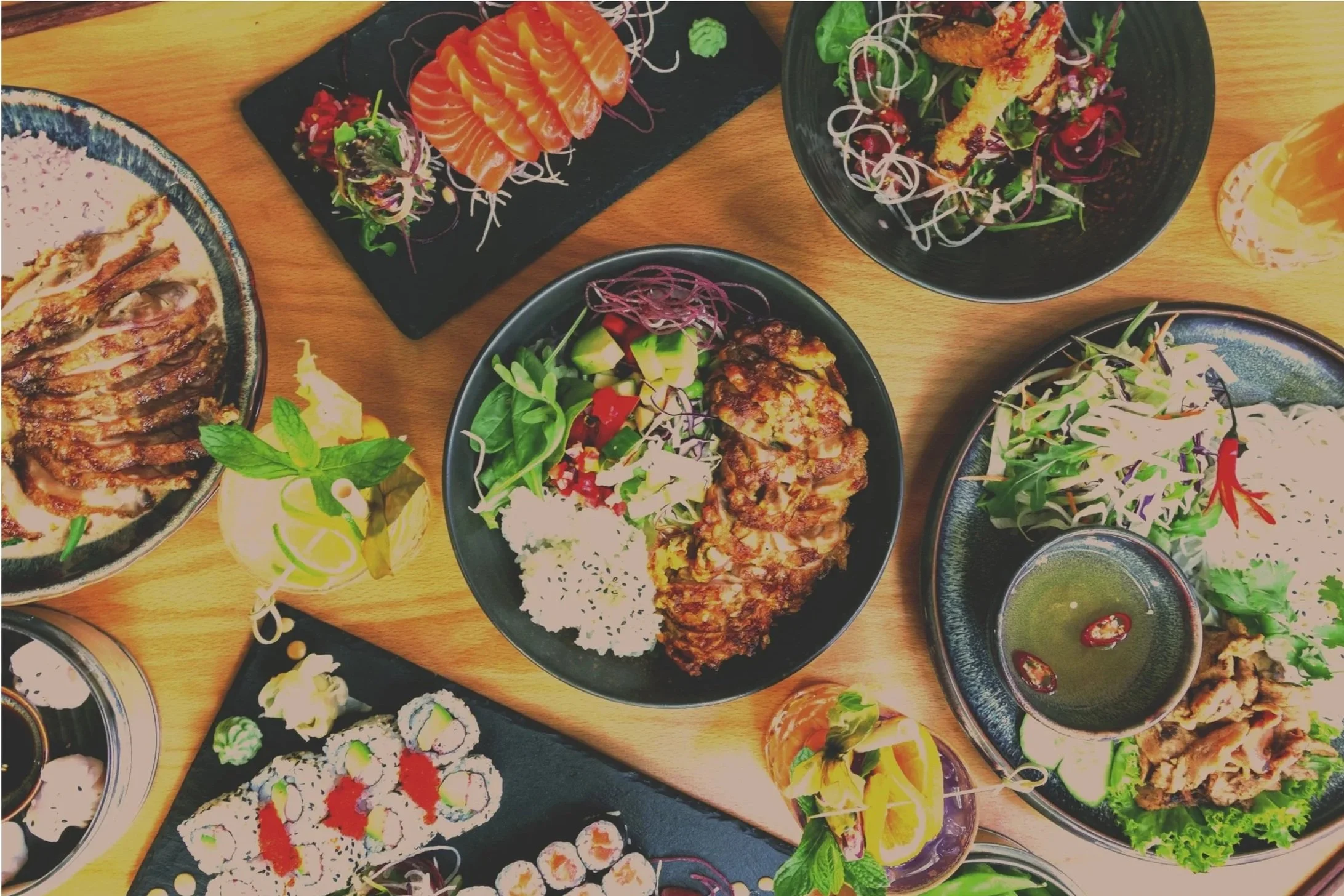
A lot of the uncomfortable parts of pregnancy can be eased with some targeted nutrition changes.
Constipation: Slowly increasing fiber from fruits, vegetables, and whole grains along with drinking enough water makes a real difference over time.
Heartburn: Eating smaller meals, finishing dinner earlier in the evening, and identifying which foods tend to trigger it for you can bring noticeable relief.
These adjustments are straightforward, but when you're already dealing with the physical demands of pregnancy, they can make daily life feel a lot more manageable.
Thinking Ahead to Postpartum
The support doesn't have to stop when the baby arrives. Recovery, energy levels, and milk supply if you're breastfeeding all depend on you eating well, which is genuinely hard to prioritize when you're running on little sleep and adjusting to a newborn.
Planning before delivery can help a lot. That might include:
Stocking up on easy, high-protein snacks you can eat one-handed
Building hydration habits that carry over into the postpartum period
Talking through realistic goals for energy and recovery that take into account how much your body has just been through
Having even a rough plan in place makes those first weeks a little less chaotic.
How Grain by Grain Can Help
Pregnancy and gestational diabetes are both areas we work with regularly here at Grain by Grain. All sessions are virtual, so you can connect with a dietitian from home, whether you're in your first trimester or already postpartum. Many insurance plans cover nutrition counseling, and we verify your benefits before your first visit so there are no surprises.
Every plan is built around you specifically, including your food preferences, your cultural background, and your actual schedule. There's no one-size-fits-all approach here.
Ready to Get Support?
You're already doing a lot. Nutrition doesn't have to be another thing you're trying to figure out on your own. If you want practical, personalized guidance to help you feel good about what you're eating this season, reach out to Grain by Grain. We'd love to help.