

Can a Registered Dietitian Help With Hashimoto's
Yes. A Registered Dietitian Nutritionist (RDN) can help manage Hashimoto's disease by addressing nutrient needs, supporting thyroid function, and building sustainable eating habits that reduce inflammation and ease symptoms like fatigue, weight changes, and digestive discomfort. While nutrition does not replace thyroid medication, it plays a meaningful role in how you feel day to day and how well your body responds to treatment.
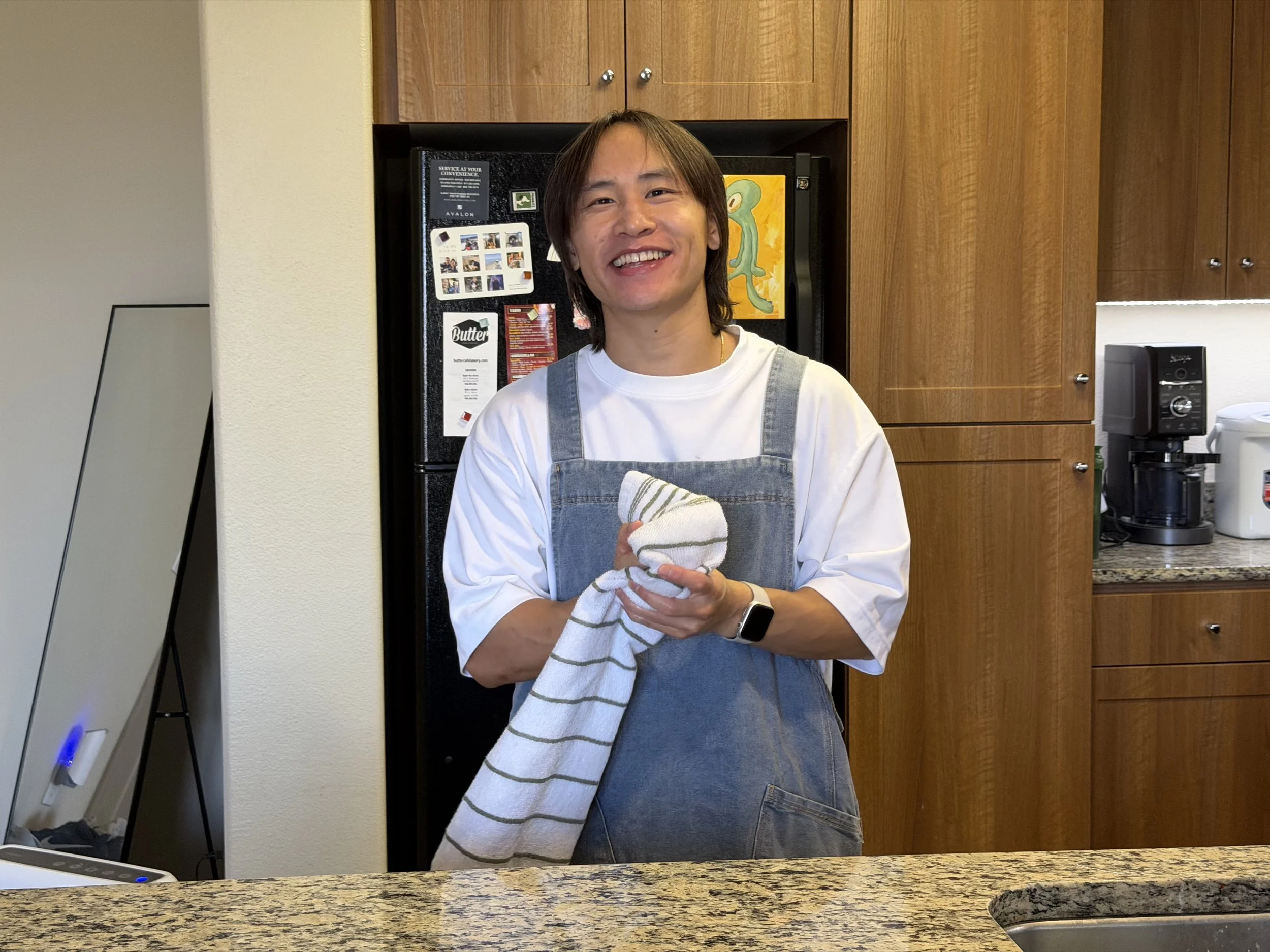
If you've been diagnosed with Hashimoto's, you've probably already heard a lot of advice. Cut out gluten. Try a specific supplement. Follow this meal plan someone posted online. Some of it might be useful. A lot of it is not built with your actual life in mind, and it rarely accounts for your cultural food preferences, your schedule, or the other health concerns you might be managing at the same time.
This is where working with a Registered Dietitian Nutritionist can make a real difference. Rather than another list of foods to avoid, nutrition counseling for Hashimoto's is about understanding your labs, your symptoms, and your habits, then building a plan that actually fits your life.
What Is Hashimoto's Disease?
Hashimoto's disease, also called Hashimoto's thyroiditis, is an autoimmune condition where the immune system mistakenly attacks the thyroid gland. Over time, this can lead to an underactive thyroid, known as hypothyroidism. Common symptoms include fatigue, weight gain, sensitivity to cold, hair thinning, and digestive changes like constipation.
Because Hashimoto's is both an autoimmune condition and a thyroid condition, managing it often means looking at more than just thyroid hormone levels. Inflammation, nutrient status, and overall metabolic health all play a role in how you feel.
Why Nutrition Matters for Hashimoto's
Medication, typically thyroid hormone replacement, is the standard treatment for Hashimoto's. But medication alone does not always resolve every symptom, and it does not directly address the autoimmune activity driving the condition. Nutrition can support the parts of your health that medication does not cover.
A Registered Dietitian working with Hashimoto's clients typically focuses on:
Micronutrient needs. Certain nutrients, including selenium, iodine, zinc, and vitamin D, are closely tied to thyroid function. Getting the balance right matters, since both deficiency and excess can affect thyroid health.
Inflammation. Autoimmune conditions are often linked to chronic inflammation. Food choices, along with sleep and stress management, can influence how much inflammation your body is dealing with.
Digestive health. Hypothyroidism frequently slows digestion, which can lead to bloating, constipation, or discomfort. Addressing fiber intake, hydration, and meal patterns can ease these symptoms.
Weight and metabolism. Many people with Hashimoto's notice changes in weight or energy levels. A dietitian can help you understand what is realistic for your body rather than chasing results that were never designed for a thyroid condition in the first place.
Sustainable habits. Extreme elimination diets are common in the Hashimoto's space, but they are hard to maintain and are not necessary for everyone. Your plan should reflect your body's actual response, not a trend.
How a Registered Dietitian Approaches Hashimoto's Care
This kind of support falls under what is called Medical Nutrition Therapy, or MNT. It's a structured, evidence-based approach used to manage chronic conditions, and Hashimoto's is one of the many conditions it can address.
Starting With Your Labs and Health History
Your first session is where your dietitian gets the full picture. That includes your thyroid labs, any other diagnoses you're managing, your symptoms, and your day-to-day routine. Hashimoto's rarely shows up alone. It's common to see it alongside PCOS, high cholesterol, or digestive issues, so your care should account for the whole picture rather than treating each concern in isolation.
Building a Plan Around Real Food, Not Restriction

Instead of handing you a rigid meal plan, a dietitian will help you build a flexible framework. That might mean adjusting how much protein and fiber you're getting to support digestion, incorporating selenium-rich foods like Brazil nuts or eggs, or finding ways to reduce inflammatory triggers without cutting out entire food groups unnecessarily. If gluten or dairy genuinely aggravate your symptoms, your dietitian can help you test that in a structured way instead of guessing.
Respecting Your Culture and Preferences
Generic nutrition advice tends to assume everyone eats the same way. A good dietitian builds your plan around the foods you already enjoy and the way you actually cook and eat, not a version of eating that ignores your background or your favorite meals.
Adjusting Over Time
Hashimoto's can shift. Labs change, medication doses get adjusted, symptoms come and go. Ongoing sessions give you a chance to update your plan as your body changes, rather than starting from scratch every time something feels different.
What Makes This Kind of Support Different From What You'll Find Online
Search "Hashimoto's diet" and you'll find no shortage of opinions, many of them contradictory. One site says to avoid all grains. Another insists soy is the enemy. Without someone reviewing your actual labs and symptoms, it's nearly impossible to know what applies to you.
Working with a Registered Dietitian Nutritionist means your care is based on your specific situation, not a general template. Your RDN has completed a nutrition degree, supervised clinical practice, and a national credentialing exam, which is a meaningfully different standard than the advice you'll find from an uncredentialed wellness influencer.
What to Expect at Your First Appointment
Your first session is a conversation, not a lecture. Expect to talk through your health history, your current symptoms, your labs if you have them, and your day-to-day routine. From there, your dietitian will help you build a starting plan with clear next steps, whether that means adjusting specific foods, timing your meals differently, or simply tracking symptoms for a few weeks before making changes.
Sessions are typically held virtually through secure, HIPAA-compliant telehealth, which makes it easier to fit nutrition counseling into a busy schedule without adding another commute to your week.
Is Nutrition Counseling for Hashimoto's Covered by Insurance?
In many cases, yes. Medical Nutrition Therapy for conditions like Hashimoto's is often covered by health insurance, especially when it's tied to a diagnosed condition. Your dietitian's office can typically help verify your benefits before your first session so you know what to expect.
Frequently Asked Questions
Can changing my diet cure Hashimoto's?
No. There is no diet that cures Hashimoto's disease, and any claim suggesting otherwise should be treated with caution. Nutrition can support symptom management, reduce inflammation, and improve how you feel, but thyroid medication remains the standard treatment for managing the condition itself.
Do I need to cut out gluten if I have Hashimoto's?
Not automatically. Some people with Hashimoto's notice improved symptoms on a gluten-free diet, particularly if they also have celiac disease or a sensitivity to gluten. A dietitian can help you determine whether eliminating gluten is actually necessary for you, rather than assuming it applies to everyone with the condition.
How long does it take to see results from nutrition changes?
This varies by person. Some people notice improvements in digestion or energy within a few weeks, while changes in labs or weight typically take longer, often several months. Consistency matters more than speed.
What's the difference between a dietitian and a nutritionist for Hashimoto's care?
A Registered Dietitian Nutritionist (RDN) has completed an accredited nutrition degree, supervised clinical practice, a national exam, and ongoing continuing education. The term "nutritionist" is not legally protected in most states, meaning anyone can use it regardless of training. For a condition like Hashimoto's, working with a credentialed RDN ensures your care is grounded in clinical evidence.
Will I need to see a dietitian forever?
Not necessarily. Many clients work with a dietitian for a defined period to build habits and stabilize their labs, then check in periodically as needed. Since Hashimoto's can change over time, occasional follow-up sessions are often useful even after your initial goals are met.
Taking the Next Step
Living with Hashimoto's often means managing a condition that fluctuates, alongside advice that seems to change depending on who you ask. A Registered Dietitian Nutritionist can help cut through that noise with a plan built around your labs, your symptoms, and your life, not a generic template pulled from the internet.
If you're ready for guidance that actually fits your routine and your goals, get started with a virtual nutrition session built around you.