


What is a Healthy Balanced Plate?
If macro counting isn’t for you, portions still need to be monitored — and this is one easy way to do that.
One of the simplest tools for building balanced meals is the plate method, a visual approach that grew out of national nutrition education efforts such as the USDA’s MyPlate, introduced in 2011 to replace the older Food Pyramid. The goal was to make healthy eating easier to understand by showing what a balanced meal should generally look like on an actual plate, rather than through complicated serving numbers.
Over time, many healthcare providers and nutrition educators adapted this idea to place greater emphasis on vegetables, fiber, and balanced macronutrients, which is why many versions you’ll see today prioritize non-starchy vegetables.
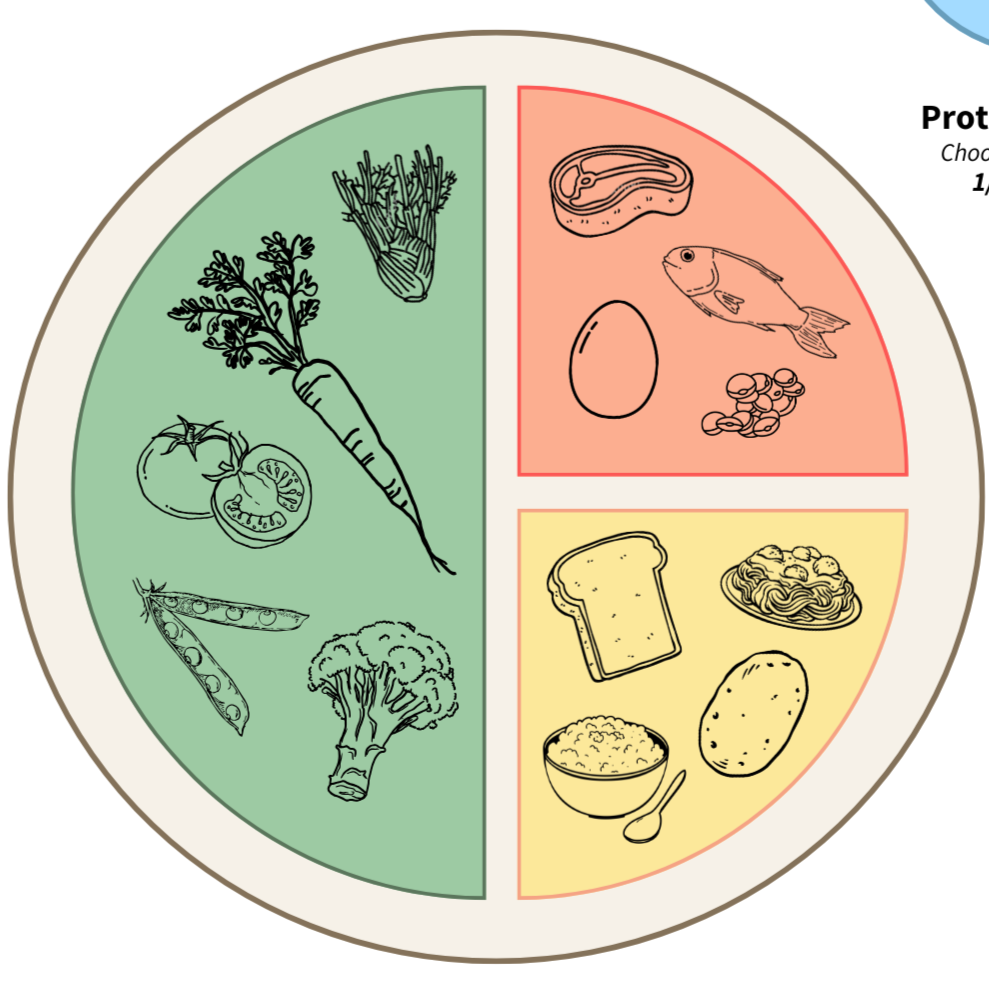
A practical balanced plate often looks like:
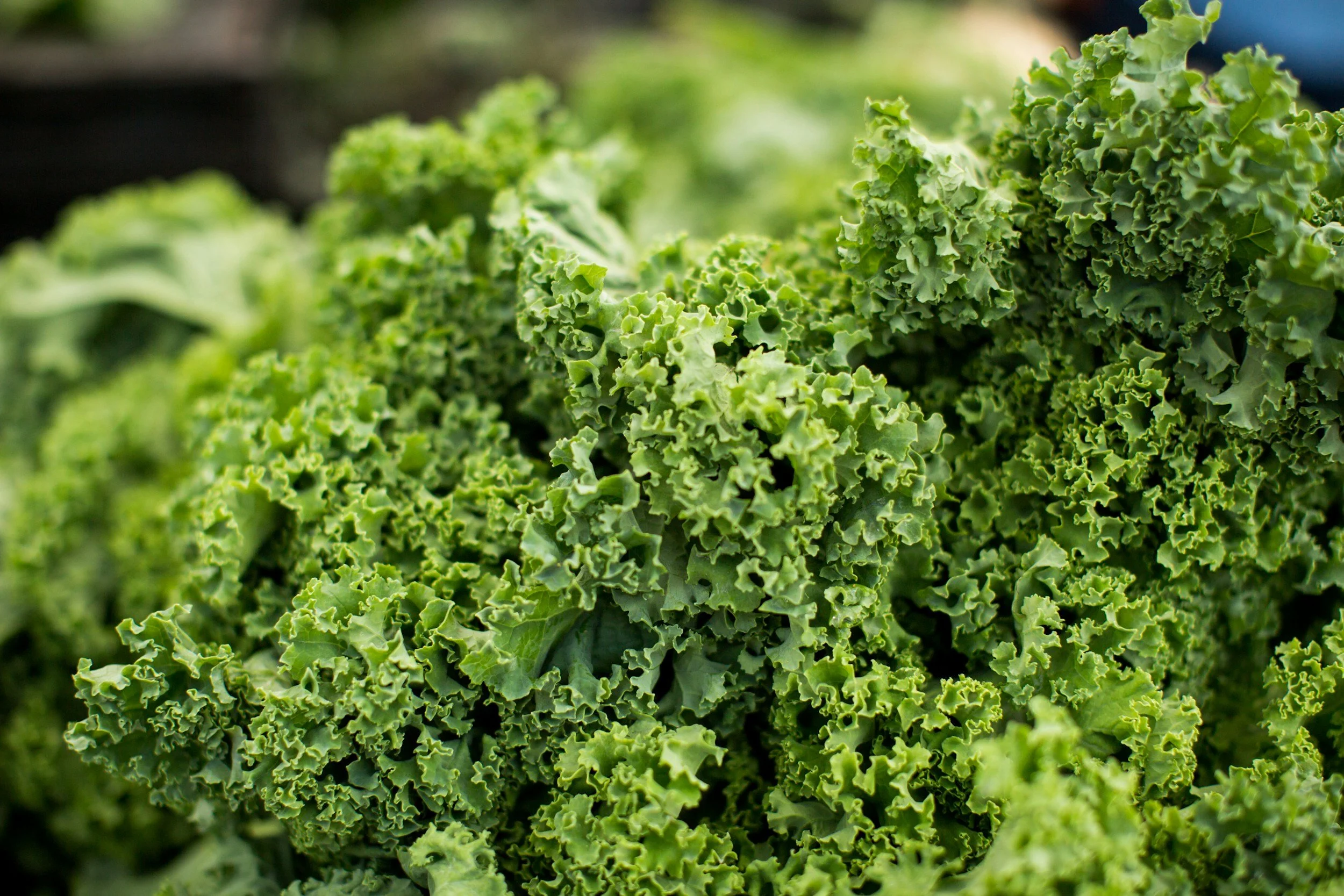
½ plate: Non-starchy vegetables (leafy greens, broccoli, peppers, cucumber, zucchini, mushrooms, etc.)
¼ plate: Lean protein (chicken, fish, tofu, eggs, Greek yogurt, lean beef, legumes)
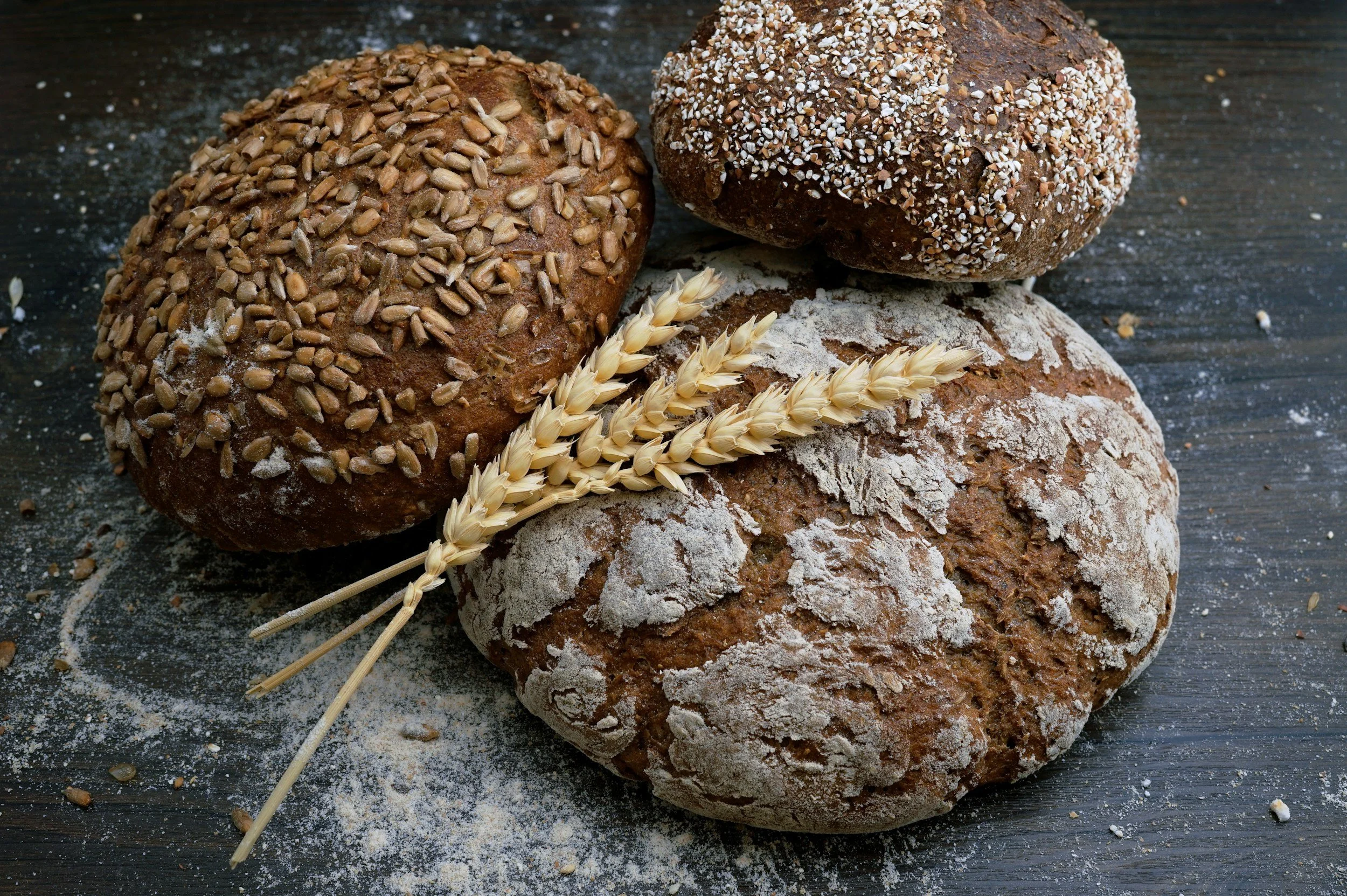
¼ plate: Carbohydrates (rice, potatoes, pasta, quinoa, beans, whole grains, starchy vegetables)
Optional additions: Fruit and healthy fats depending on the meal
Fruit does not have to be on every plate, but it can easily be included as part of a meal or snack when desired. It’s still always encouraged!
This structure naturally increases fiber, balances energy intake, and helps regulate portion sizes without needing to track calories or macros.

Why this approach works
Provides a clear visual structure for building balanced meals
Encourages higher vegetable and fiber intake
Helps naturally moderate carbohydrate portions
Does not require tracking apps or food scales
Practical for long-term sustainable eating habits
Limitations of the balanced plate approach
Portions are still estimates, so calorie intake can vary
Protein intake may be lower than ideal for muscle gain or fat-loss focused goals
Athletes or very active individuals may need larger carbohydrate portions
High-fat foods and high-carb sauces & dressings can increase calories quickly if portions are not monitored


Even if you track macros
This visual method can still be useful.
Many people who track macros notice that meals built around a balanced plate often fall close to their macro targets naturally. Using this structure can make meal planning faster and reduce the need to micromanage every meal.
Think of the balanced plate as a visual framework for building meals, whether you track numbers or prefer a more flexible approach.

Work with me
Learning the basics of nutrition is a great starting point, but knowing what to do and consistently applying it in real life are two different things. Schedules, habits, preferences, and health goals all influence how nutrition actually fits into your day.
Working with a dietitian helps turn general education into a personalized plan that works for your lifestyle. Instead of guessing how to apply the information, we focus on practical strategies, accountability, and adjustments over time so the changes are realistic and sustainable.