

Nutrition Basics: Free Handouts
Simple visual guides that explain the fundamentals of nutrition. These handouts cover portion awareness and the basics of carbohydrates, protein, and fats to help you better understand how foods fit into balanced meals and everyday eating.
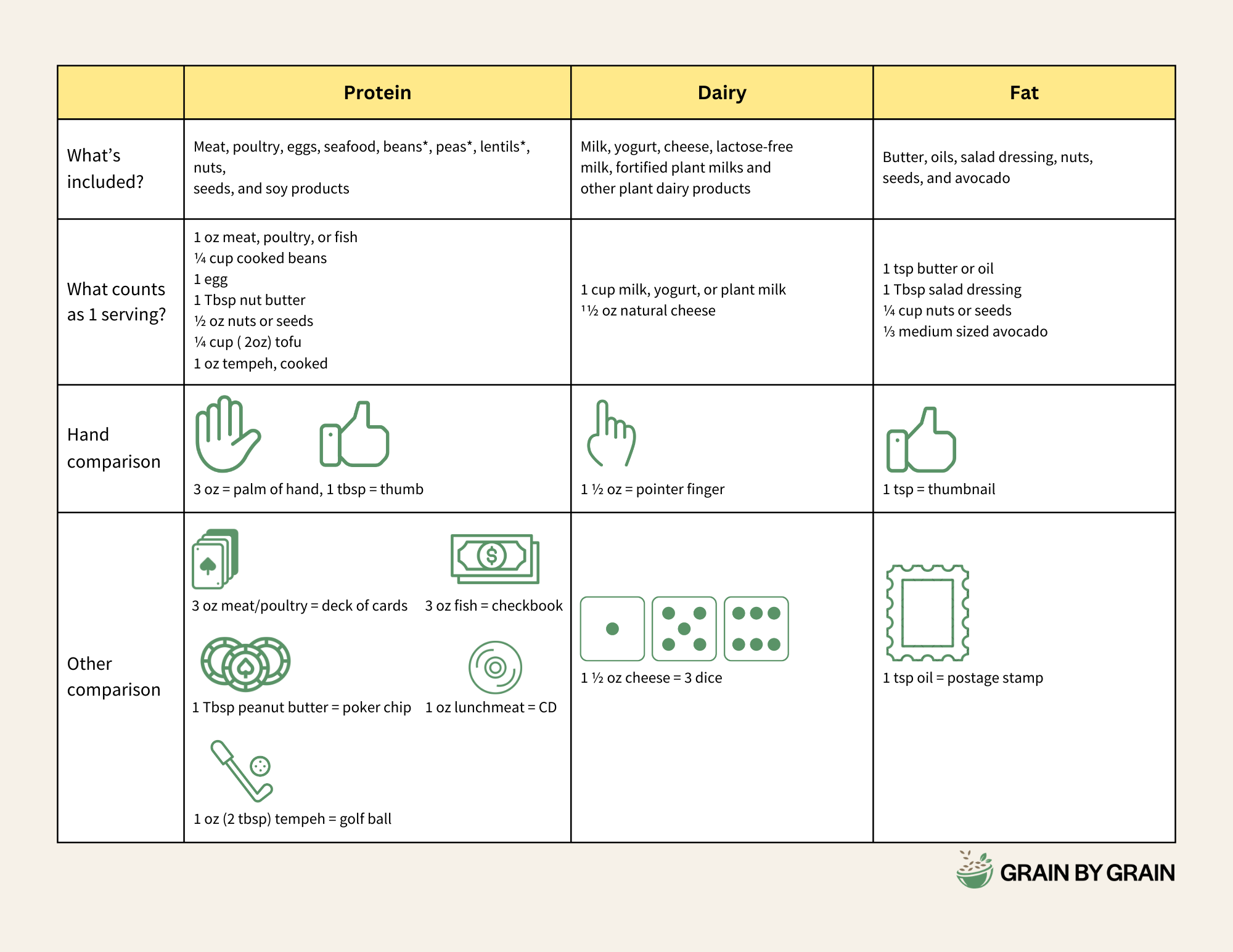
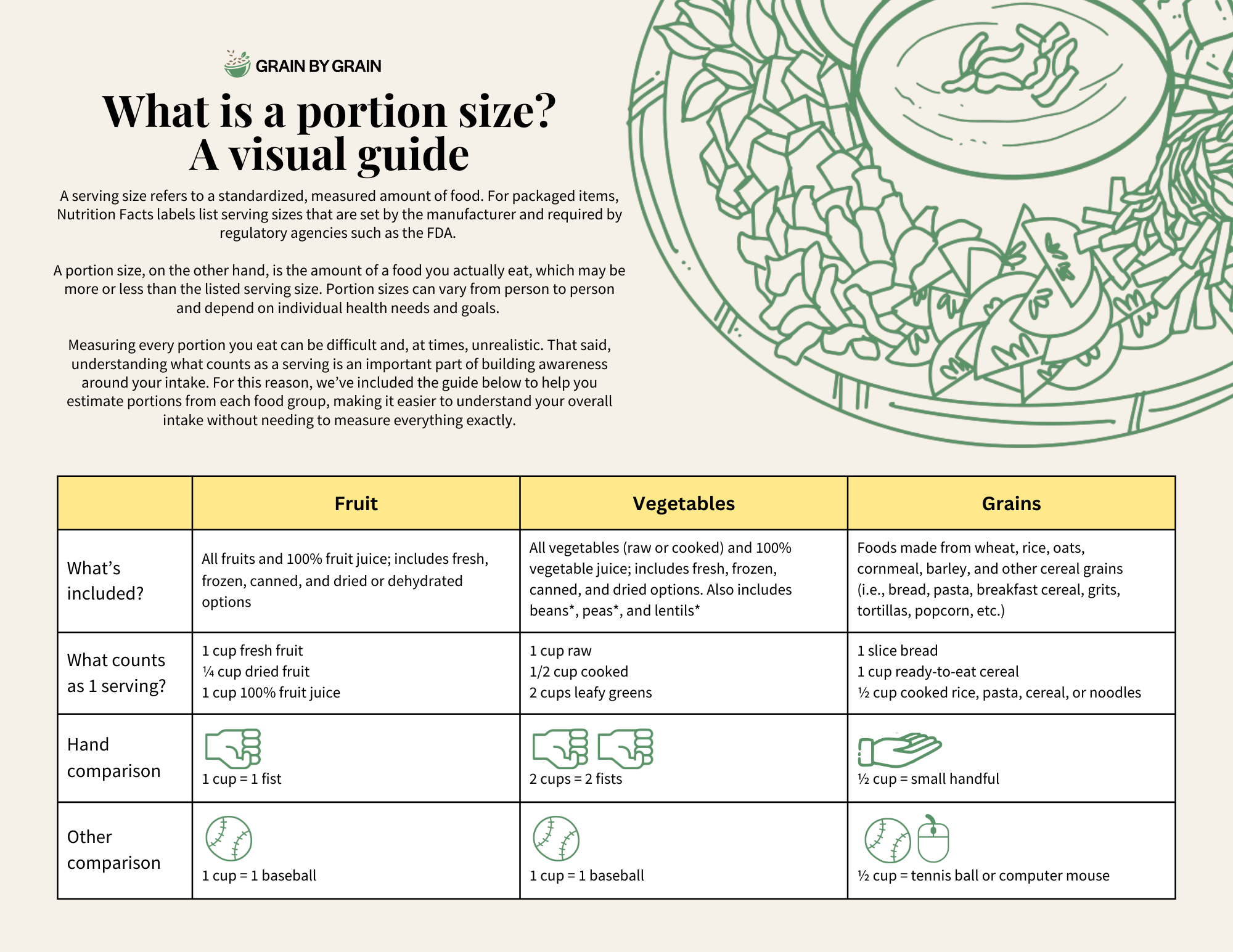
A Visual Guide to Portion Sizes
Measuring every food you eat isn’t always practical. This guide shows how to estimate portion sizes using everyday visual references like your hands, fingers, a deck of cards, or dice. These simple comparisons help you approximate servings of protein, carbohydrates, fats, and snacks so you can stay mindful of portions without needing a scale or measuring cups.
This can work alongside macro-counting too! :)
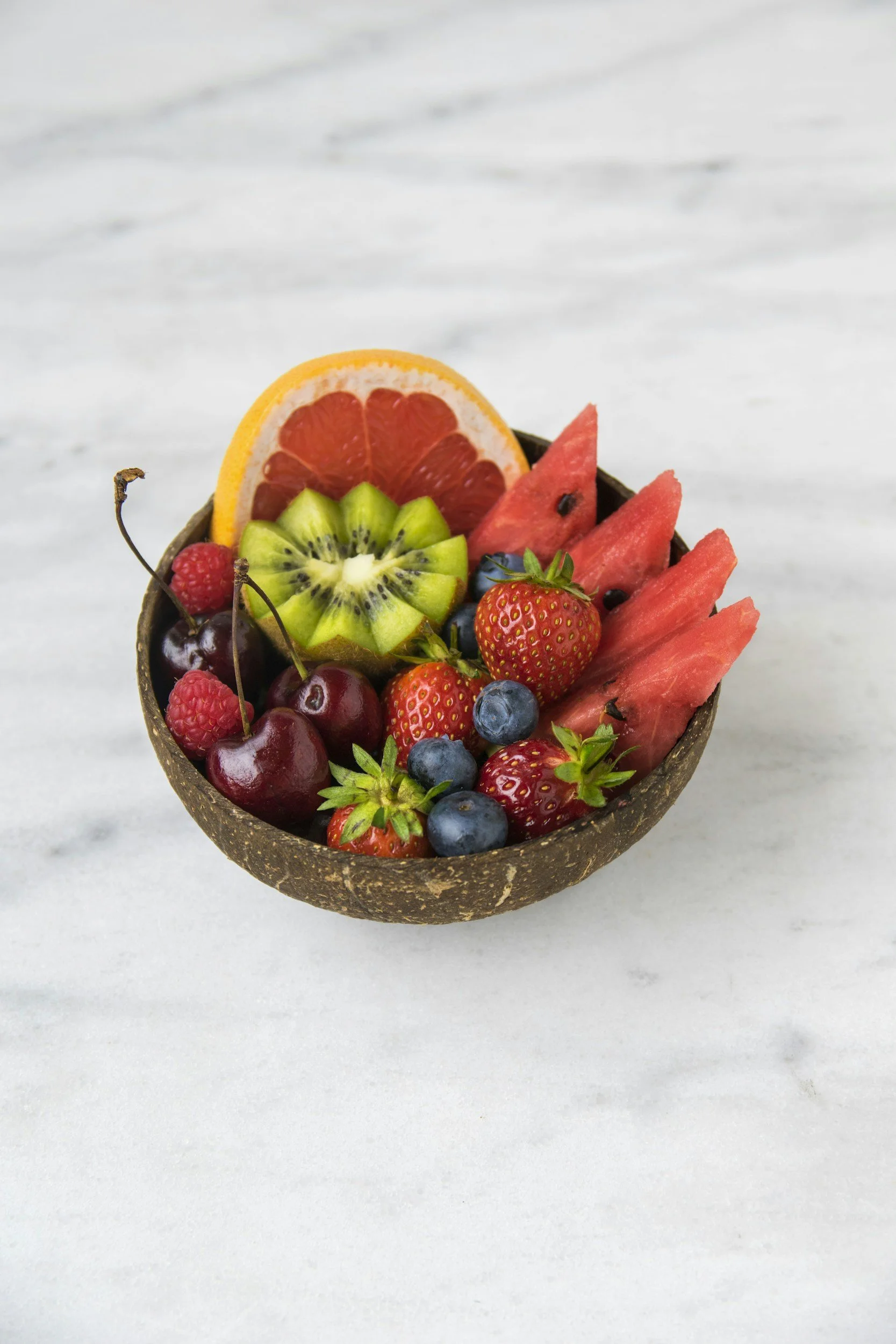
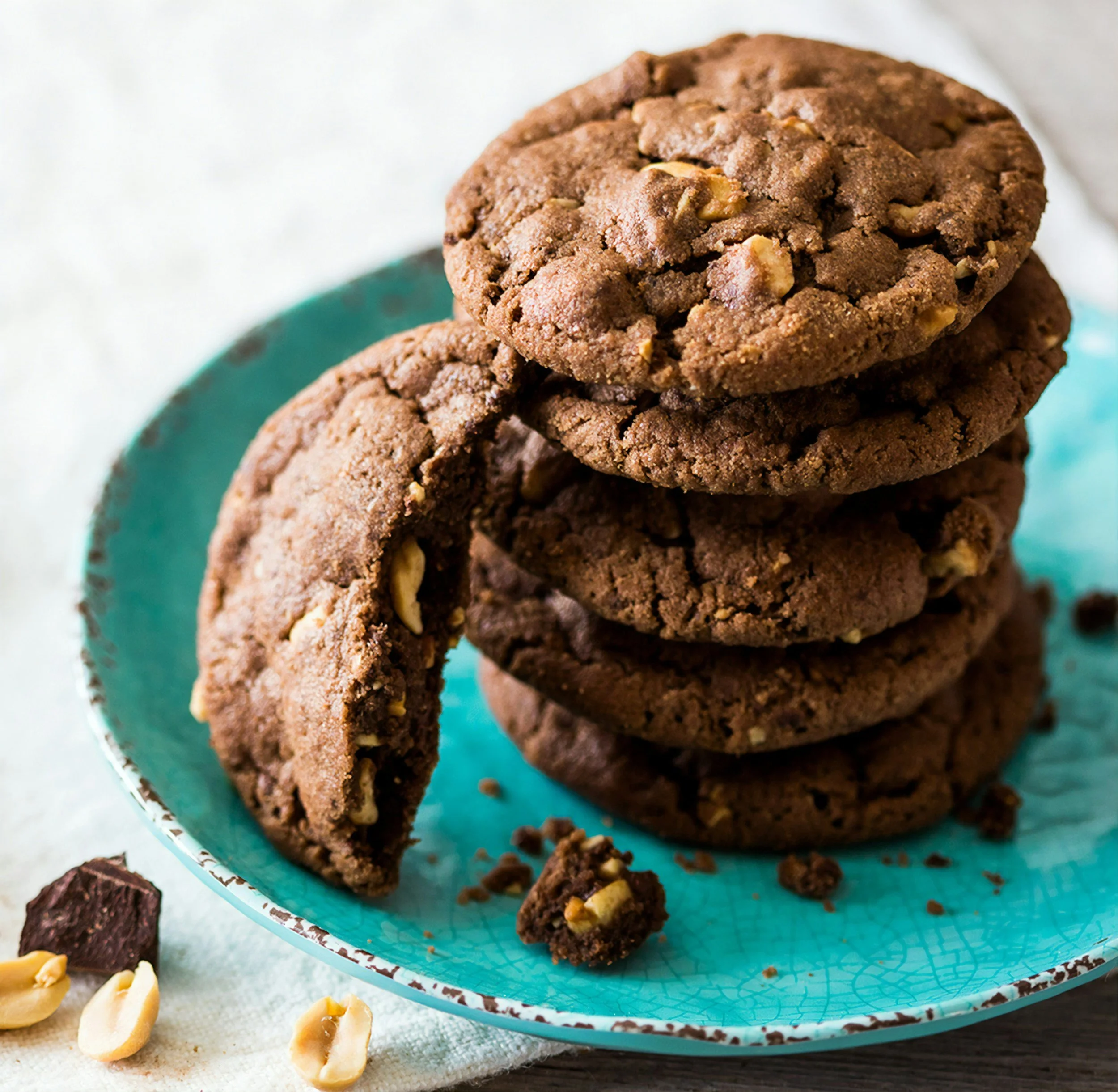
Carbohydrates 101
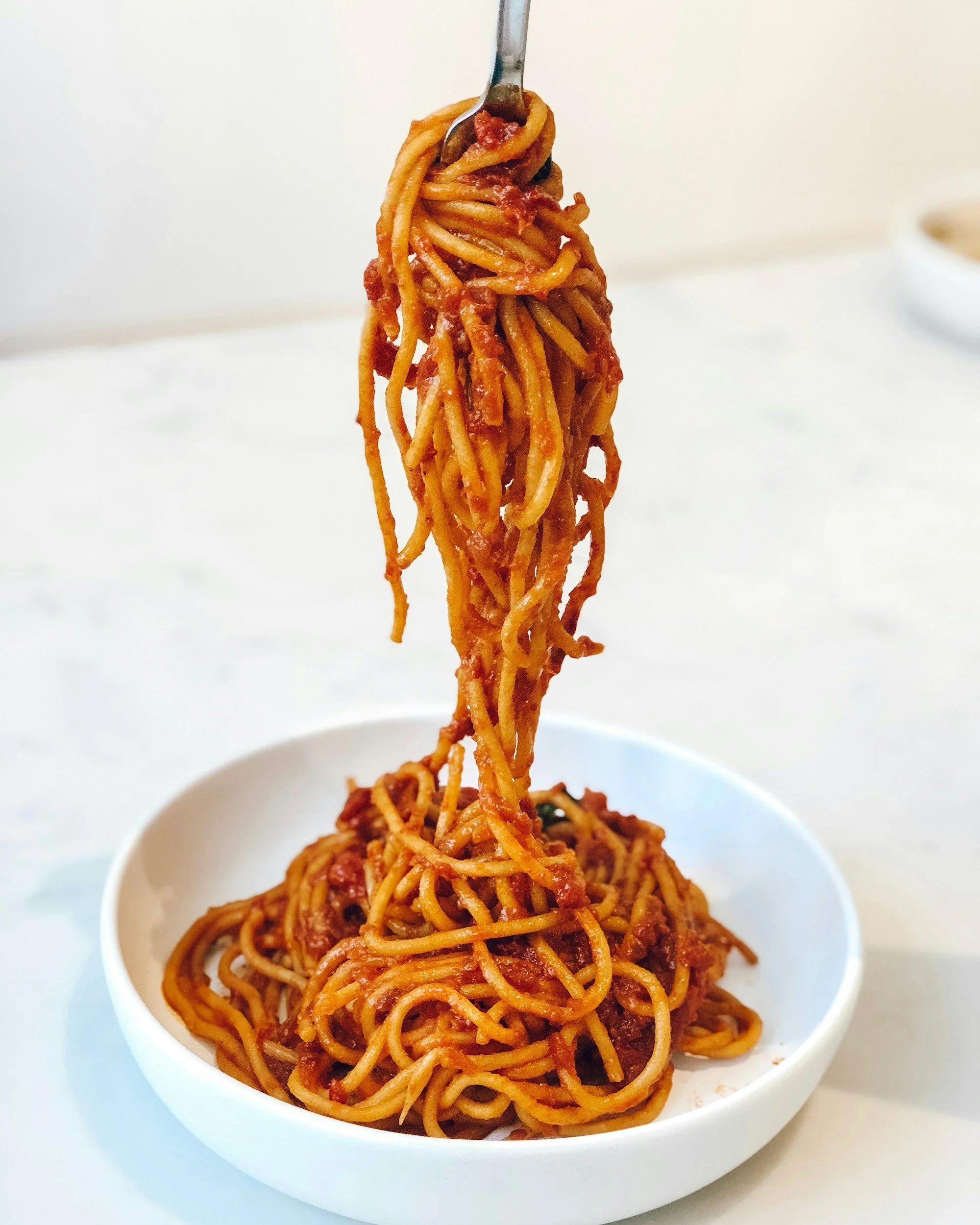
Carbohydrates are your body’s main source of energy and play an important role in fueling the brain and muscles. This guide explains the basics of what carbohydrates are, the difference between simple and complex carbs, and where they’re found in everyday foods. You’ll also learn how to include carbohydrates in balanced meals without unnecessary restriction.
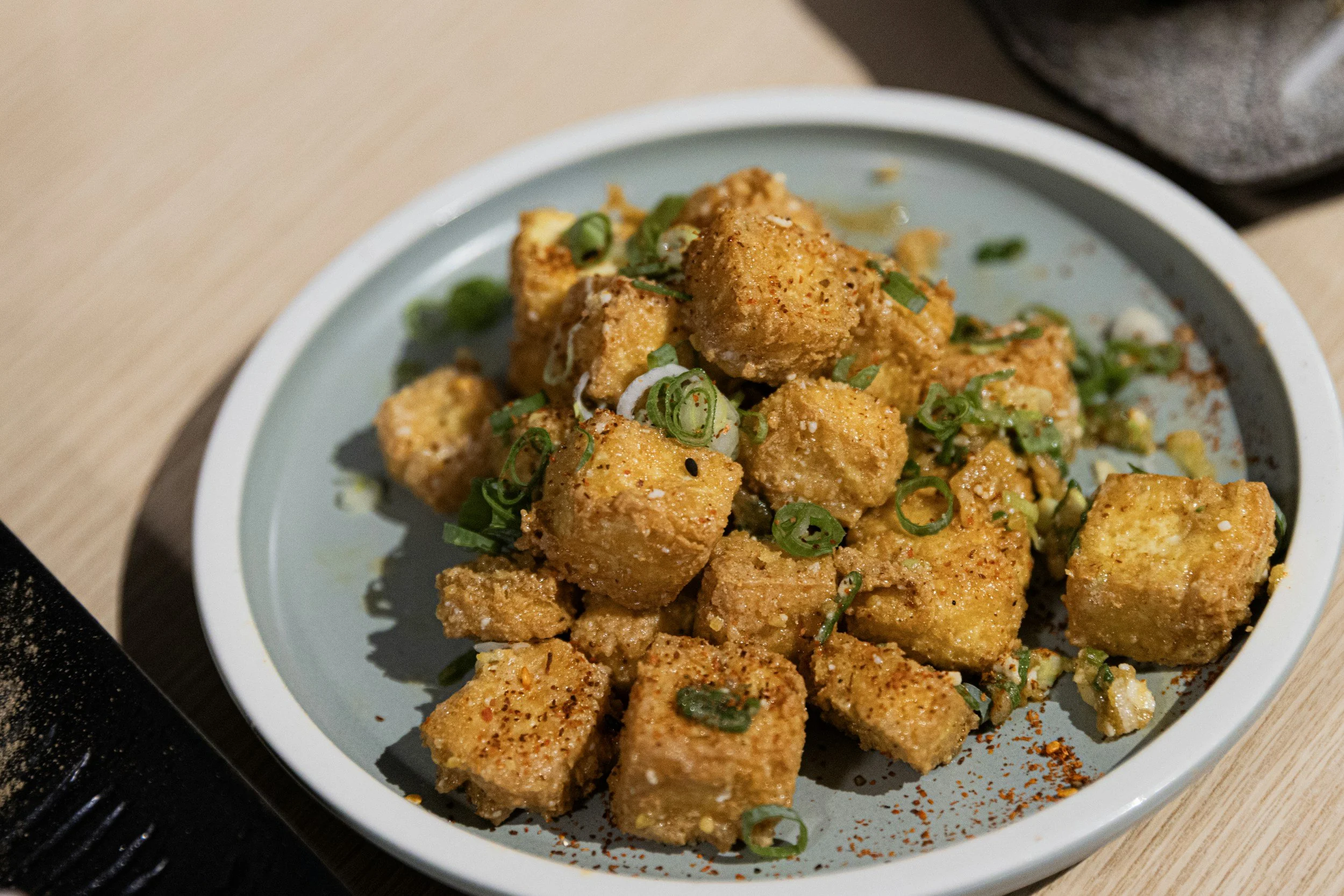
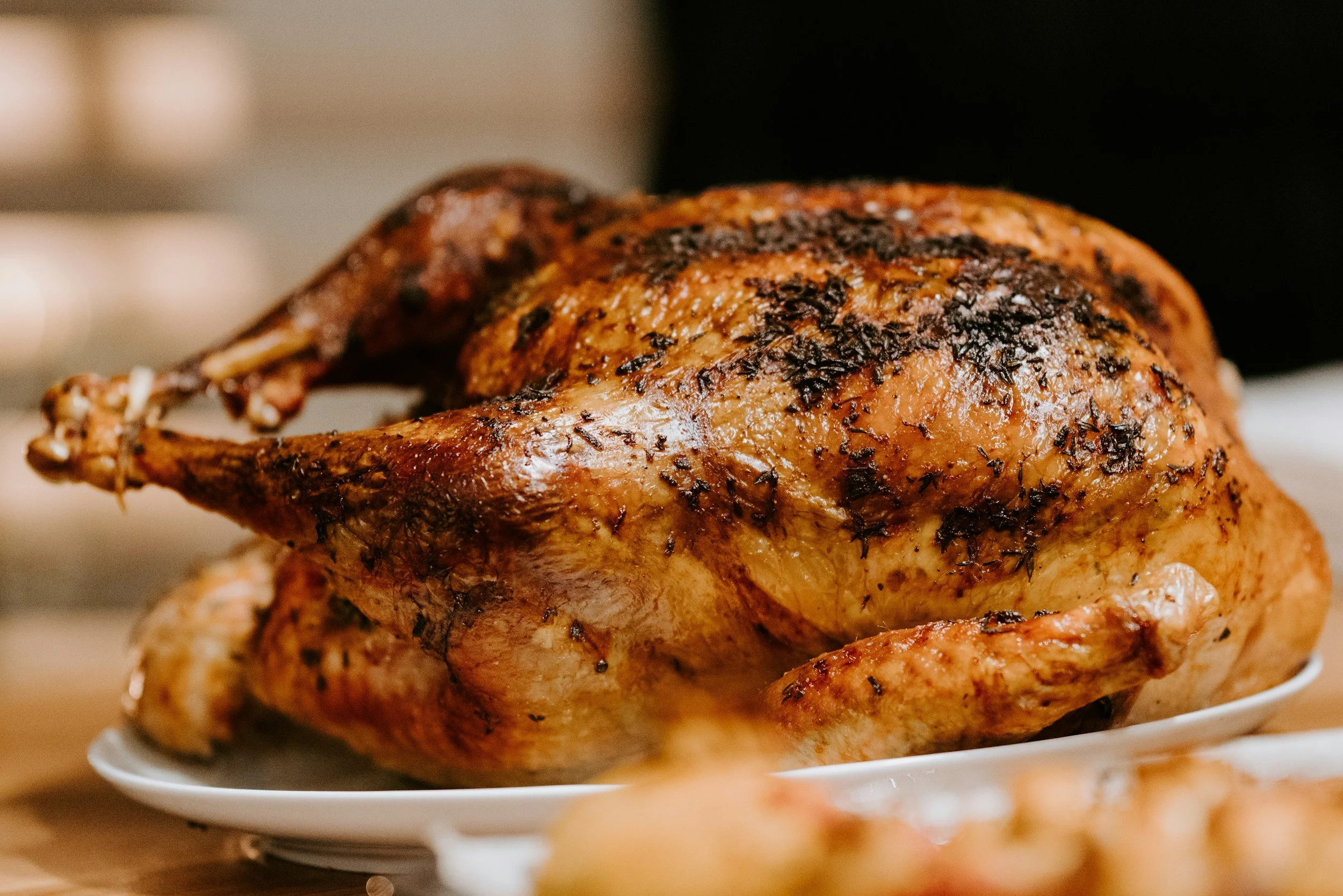
Proteins 101
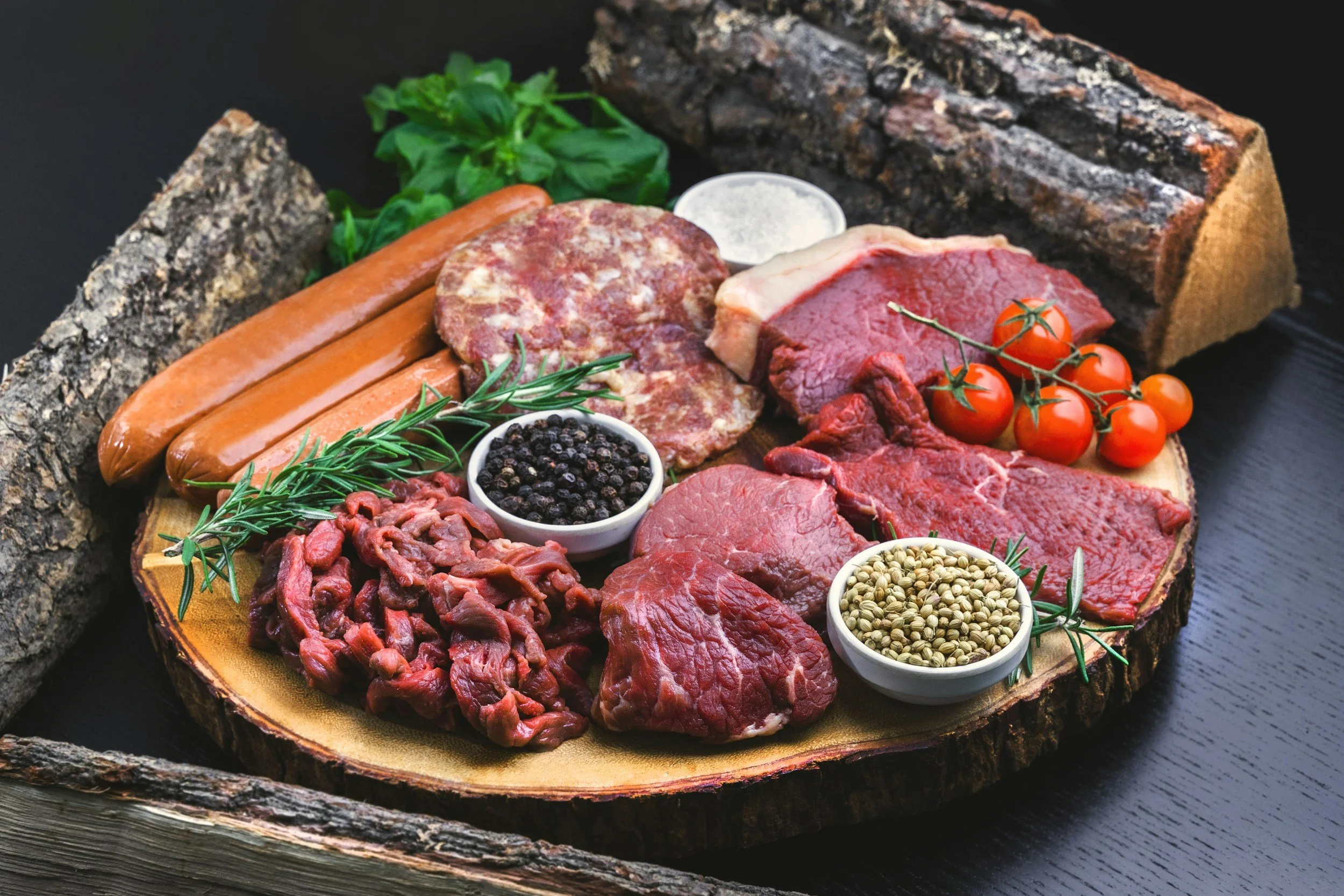
Protein helps build and maintain muscle, supports metabolism, and plays a role in many important functions throughout the body. This guide covers the basics of protein, including common food sources, why protein matters for health, and simple ways to include enough protein in your meals throughout the day.

Fats 101
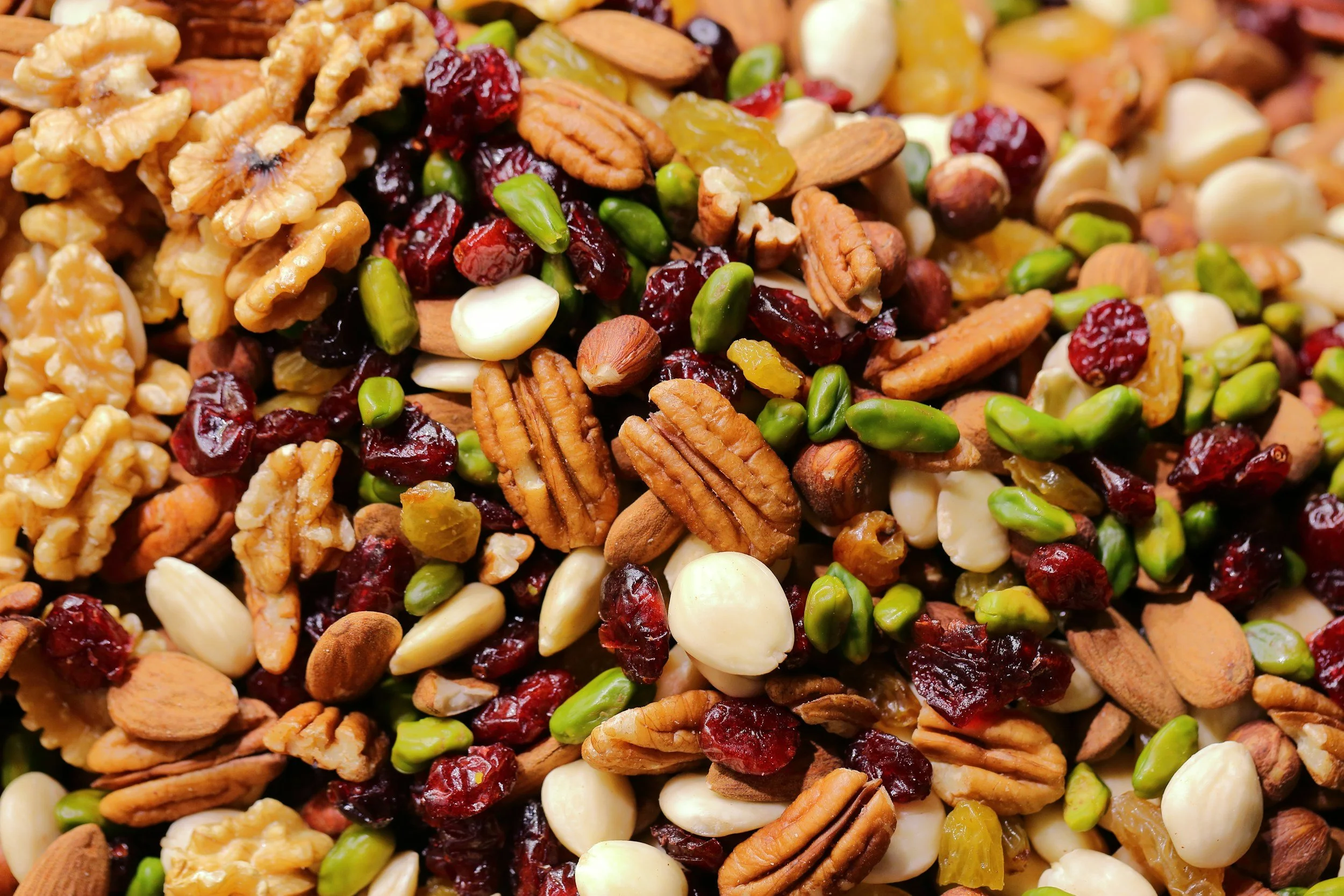
Dietary fats are essential for hormone production, nutrient absorption, brain function, and overall health. This guide explains the role fats play in the body, the difference between various types of fats, and where they are found in foods. It also helps you understand how fats fit into balanced meals without needing to avoid them.
Work with me
Learning the basics of nutrition is a great starting point, but knowing what to do and consistently applying it in real life are two different things. Schedules, habits, preferences, and health goals all influence how nutrition actually fits into your day.
Working with a dietitian helps turn general education into a personalized plan that works for your lifestyle. Instead of guessing how to apply the information, we focus on practical strategies, accountability, and adjustments over time so the changes are realistic and sustainable.