

How a Registered Dietitian Can Support You Through Cancer Treatment
Working with a cancer nutritionist or registered dietitian helps you manage treatment side effects, hold on to strength, and stay nourished when appetite and digestion are unpredictable. At Grain by Grain, that means personalized guidance for navigating nausea, preventing unwanted weight loss, and building meals around your treatment schedule and the foods you can actually stomach.

A cancer diagnosis changes almost everything, including how you eat. Treatment can make food taste strange, wipe out your appetite entirely, or make textures and smells you never thought twice about feel unbearable. At the same time, your body often needs more calories and protein than usual just to keep up. That's a lot to manage on your own, especially while juggling appointments, fatigue, and everything else that comes with it.
Working with a registered dietitian nutritionist (RDN) who understands oncology nutrition can help cut through the noise. Instead of generic "eat healthy" advice, you get guidance built around your specific treatment, your symptoms, and what actually sounds tolerable on any given day. Here's what that support typically looks like in practice.
Managing Nausea, Taste Changes, and Loss of Appetite
Chemotherapy, radiation, and other treatments often make eating genuinely hard. Food might taste metallic. Smells that never bothered you before might now turn your stomach. Some days, getting anything down feels like a win.
A cancer dietitian works with you to figure out what's manageable during those stretches. That might look like:
Eating smaller amounts more frequently instead of forcing three full meals
Leaning on cold or room-temperature foods when cooking smells are hard to tolerate
Using ginger, citrus, or other flavors to help cut through metallic taste changes
Prioritizing whatever stays down, even if it doesn't look like a "balanced" meal by anyone's definition
During active treatment, the goal usually isn't perfection. It's getting enough in to keep your energy up and your body supported, one meal at a time.
Preventing Weight Loss and Muscle Loss
Unintended weight loss is one of the more common challenges that comes with cancer treatment, and it's about more than just the number on the scale. Losing muscle mass can affect strength, recovery, and how well your body handles treatment over time. This is one area where having a cancer nutritionist in your corner makes a real difference.
Support in this area might include:
Finding high-calorie, high-protein foods that are still easy to tolerate, like smoothies, nut butters, or fortified soups
Adding protein and calories to foods you're already eating instead of introducing entirely new ones
Deciding whether an oral nutrition supplement makes sense as a bridge during particularly rough weeks
Spotting patterns early so adjustments can be made before significant weight loss has already occurred
Catching those changes early tends to lead to better outcomes through treatment and into recovery.
Working Around Treatment Side Effects
Different treatments come with different challenges, and a nutrition plan that works during one cycle may need to be adjusted for the next. Some common situations a cancer dietitian can help with:
Mouth sores or difficulty swallowing: Softer, cooler foods and avoiding anything acidic or spicy can make eating less painful.
Diarrhea or constipation: Adjusting fiber and fluid intake, depending on which direction things are going, can help manage digestive symptoms.
Dry mouth: Moist foods, sauces, and frequent sips of water can make getting through a meal a lot easier.
Changes in blood sugar or labs: For anyone managing diabetes or other conditions alongside a cancer diagnosis, a dietitian can coordinate recommendations so different parts of your care are working together, not against each other.
This kind of guidance usually isn't a one-time conversation. It shifts and adjusts as your body and treatment plan change.
Supporting Your Body During Recovery
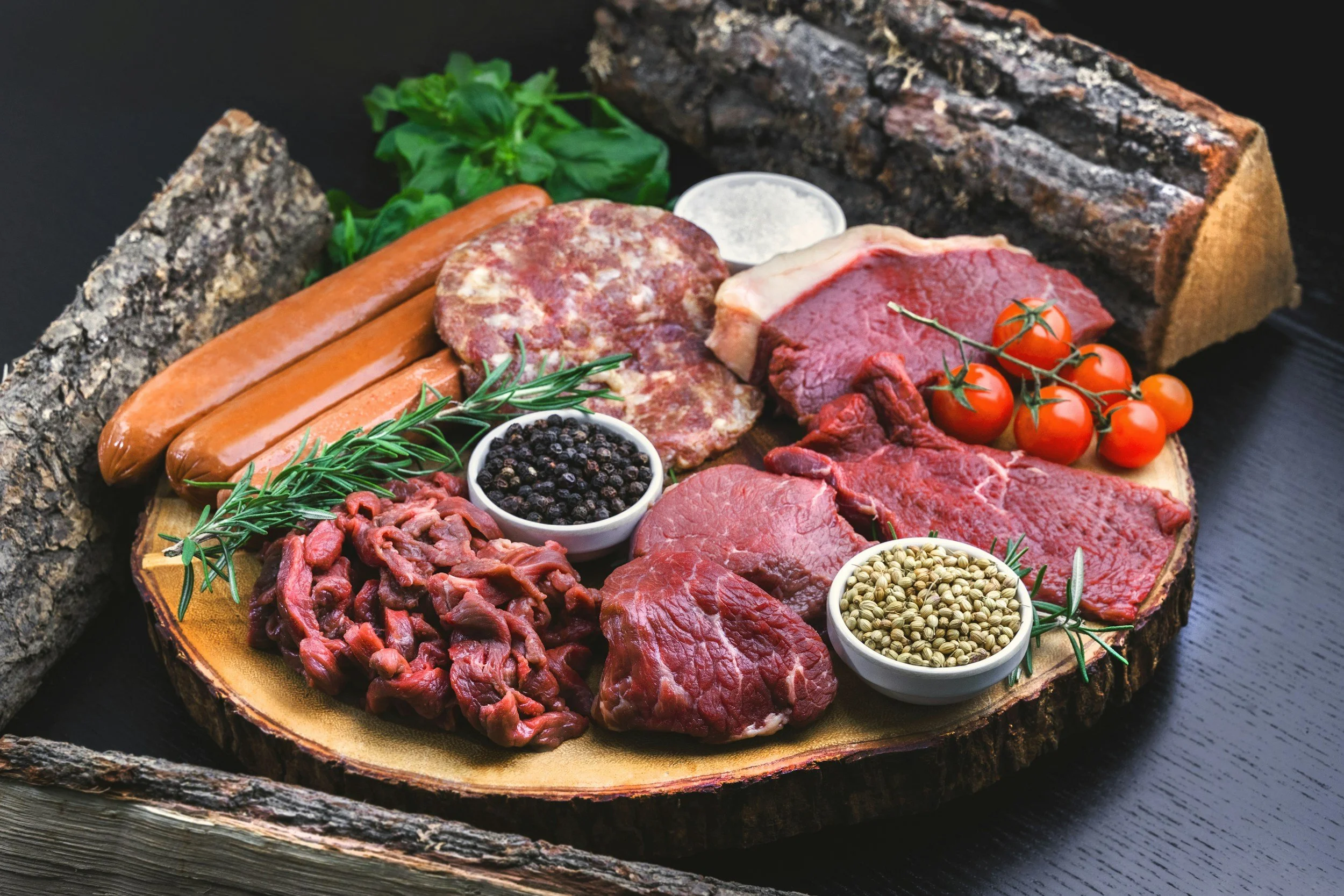
Once active treatment wraps up, your body is still doing a lot of work. Recovery takes real energy, and you may still be rebuilding strength, managing lingering side effects, or adjusting to a new normal around food.
A dietitian can help you think through:
Rebuilding protein intake to support muscle recovery
Gradually returning to a wider variety of foods if your diet had narrowed during treatment
Addressing ongoing issues like taste changes or low appetite that don't always resolve right away
Setting realistic, sustainable eating goals for the months ahead, without the pressure of following a rigid plan
Cancer recovery looks different for everyone, and a personalized nutrition plan reflects that.
How Grain by Grain Can Help
Supporting people through cancer-related nutrition challenges is part of what we do. Sessions at Grain by Grain are fully virtual, so you can meet with your dietitian from home, a treatment center, or wherever makes the most sense that day. Nutrition counseling is often covered by insurance, and we verify your benefits before your first visit so there are no surprises.
Every plan is built around your specific situation: your treatment, your symptoms, your food preferences, and your cultural background. There's no generic handout here, just practical, personalized guidance that fits your life as it actually is right now.
Ready to Get Support?
You have enough to think about already. If you're looking for a cancer nutritionist or dietitian to help you navigate food and nutrition through treatment or recovery, reach out to Grain by Grain. We'd love to help you put together a plan that works for where you are.
Frequently Asked Questions
What does a cancer nutritionist or dietitian actually do?
An RDN with oncology experience helps manage treatment side effects like nausea and appetite loss, works to prevent unintended weight or muscle loss, and builds eating guidance around your specific diagnosis and treatment schedule.
Is nutrition counseling covered by insurance for cancer patients?
Often, yes. Many insurance plans cover medical nutrition therapy. At Grain by Grain, we verify your benefits before your first session so you know what to expect going in.
When should I start working with a dietitian during cancer treatment?
There's no wrong time. Starting early, even before treatment begins if possible, gives you a chance to build a solid nutrition plan before side effects show up.
Can a dietitian help if I've already lost weight during treatment?
Yes. Through targeted strategies focused on protein and calorie density, a dietitian can help you stabilize and gradually rebuild, even if some weight loss has already happened.
Do I need to completely overhaul how I eat?
No. The goal is to work with what you can tolerate and enjoy, making gradual adjustments rather than changing everything at once.