

Cancer Nutrition Support, Personalized for You
Compassionate, evidence-based nutrition counseling for every stage of your cancer journey, from diagnosis through survivorship. I believe that cancer care should include nutrition guidance that is both evidence-based and genuinely compassionate. My approach centers on listening first. Every plan I create reflects your preferences, your culture, and where you are in your treatment journey. Change shouldn't feel extreme or add more stress to an already difficult time. It should feel like one less thing to worry about.
What Is Cancer Nutrition Support?
A cancer diagnosis changes everything, including how your body responds to food. Treatment can bring fatigue, nausea, appetite changes, taste alterations, and weight fluctuations that make eating well feel like one more hurdle to clear.
Cancer nutrition support, provided through Medical Nutrition Therapy (MNT), is specialized care designed to help your body stay strong during treatment and recover well afterward. It's not about restrictive diets or one-size-fits-all meal plans. It's about building a nutrition approach that works with your treatment plan, your appetite, and your life.
How Grain by Grain Can Help
Loshi Vue, RDN, works closely with you to create a nutrition plan that adapts as your needs change throughout treatment and recovery.
Managing Treatment Side Effects
Chemotherapy, radiation, and surgery can all affect your appetite and digestion. Together, you'll find practical ways to manage nausea, taste changes, fatigue, and digestive discomfort so eating feels less overwhelming.
Maintaining Strength and Energy
Adequate nutrition helps protect muscle mass, supports your immune system, and gives your body the fuel it needs to tolerate treatment and heal.
Personalized, Flexible Plans
Your plan is built around your lifestyle, food preferences, and cultural background. There are no rigid meal plans here, just realistic guidance that fits into your daily routine.
Support at Every Stage
Whether you're preparing for treatment, currently undergoing it, or navigating survivorship, your nutrition needs will be met with gentle, judgment-free guidance.
Who We Support
Grain by Grain provides nutrition support for people navigating a wide range of cancer diagnoses, including:
Breast cancer
Colorectal cancer
Prostate cancer
Thyroid cancer
Lymphoma
Cancers of the digestive tract
Head and neck cancer
Lung cancer
And more
If you don't see your specific diagnosis listed, reach out. Nutrition support can be tailored to a wide variety of cancer types and treatment plans.
Let’s take the guesswork out of nutrition.
Our nutrition coaching focuses on small, realistic steps that make a big impact—without extremes, guilt, or all-or-nothing thinking.
Insurances Accepted
Aetna
Allina Health
Anthem
BlueCross BlueShield (BCBS MN)
MinnesotaCare Medical Assistance (Medicaid)
Medicare
UMR (United Medical Resources)
United HealthCare (UHC)
Virtual Care, Wherever You Are
All sessions are held through secure, HIPAA-compliant telehealth, so you can meet with your dietitian from the comfort of home. No travel required, no waiting rooms, just dedicated one-on-one time with a nutrition expert who understands what you're going through.
Grain by Grain currently supports clients in Minnesota, California, Wisconsin, Illinois, Washington, and beyond. Wherever you're located, personalized cancer nutrition support is just a video call away.
Cancer nutrition support and counseling is a strong fit for anyone who has received a cancer diagnosis and wants to take an active, informed role in their care. It is particularly well-suited for individuals currently undergoing chemotherapy, radiation, or surgery who are experiencing side effects such as nausea, fatigue, appetite loss, or unintended weight changes. It is equally valuable for those preparing for treatment and wanting to build nutritional resilience ahead of time, as well as cancer survivors working to restore strength, address lingering symptoms, and establish long-term healthy habits.
If you are managing multiple health conditions alongside a cancer diagnosis, such as diabetes, heart disease, or digestive concerns, personalized Medical Nutrition Therapy can address those needs together rather than in isolation. Regardless of where you are in your cancer journey, whether newly diagnosed, mid-treatment, or in recovery, if you want practical, evidence-based nutrition guidance tailored to your specific situation, cancer nutrition counseling at Grain by Grain is designed for you.
Is It Right for Me?
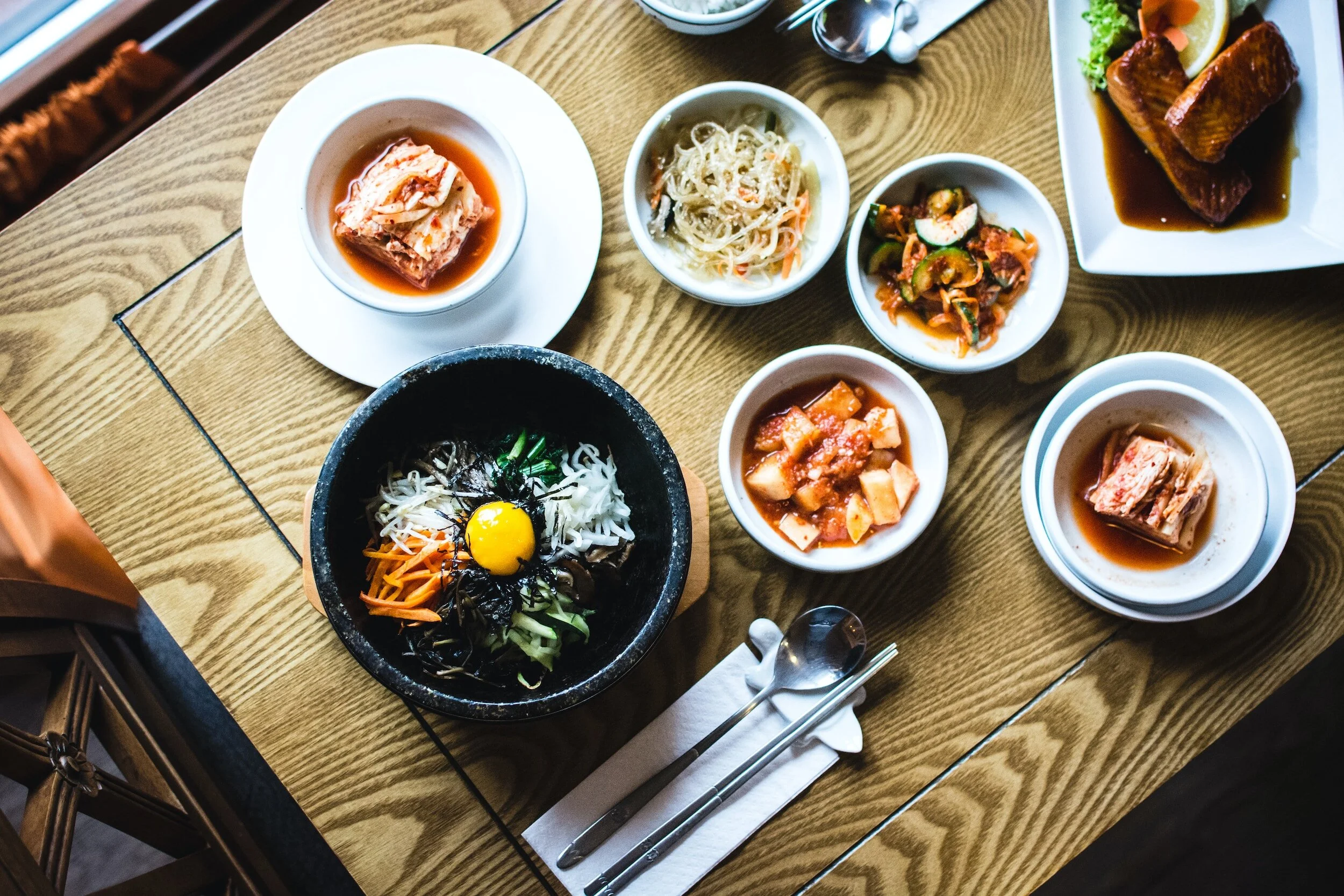


How Virtual Nutrition Counseling works
We help you develop healthy habits that will last, all from the comfort of your own home via telehealth and covered by insurance.
-
The Registered Dietitian Nutritionist will take time to understand your health history, lifestyle, and goals — then provide a personalized nutrition care plan tailored to your needs.
We accept health insurance.
-
The Registered Dietitian Nutritionist (RDN) will fine-tune your nutrition plan with actionable coaching, personalized recommendations, macronutrients, and goal-based progress tracking to support long-term success.
-
Accountability and guidance between visits. Stay connected with ongoing support through a food tracking app, direct messaging with your registered dietitian, personalized care plans, session summaries, and goal tracking — all in one place.
Our Specialties

Weight Loss & Body Recomposition
-
If you’ve felt overwhelmed by conflicting advice, yo-yo dieting, or the pressure to do it all perfectly, you’re not alone.
Reach your weight and body composition goals in a sustainable, realistic way. Whether you're focused on fat loss, building strength, or improving your relationship with food, we’ll create a personalized plan that honors your culture, preferences, and lifestyle — without gimmicks or extremes.
We accept health insurance.
-
Habit-based or macro-based coaching — you choose your track
Sustainable fat loss while maintaining or building muscle
Structured meal timing, balanced macronutrients, and macro counting
Movement strategies that work with your schedule
Building long-term routines for metabolism and energy
-
People who want to lose weight without fad diets and improve their confidence
Individuals interested in reshaping their body through food and movement
Anyone tired of starting over and looking for consistency
Clients who want an evidence-based, supportive coaching experience
People looking for accountability

Medical Nutrition Therapy (MNT)
-
Medical Nutrition Therapy (MNT) involves evidence-based nutrition care for managing and improving chronic health conditions.
Whether you’re newly diagnosed or looking to avoid medications, we’ll build a plan rooted in your culture, preferences, and real-life routines.
We accept health insurance.
-
Type 2 diabetes and prediabetes
Insulin resistance and metabolic syndrome
Polycystic Ovary Syndrome (PCOS)
Hypothyroidism and Hashimoto’s thyroiditis
High cholesterol (hyperlipidemia)
High blood pressure (hypertension)
Cardiovascular disease and heart health
Non-alcoholic fatty liver disease (NAFLD)
Irritable Bowel Syndrome (IBS)
Gastroesophageal reflux disease (GERD)
Gout and elevated uric acid
Osteoarthritis and joint inflammation
Digestive concerns (bloating, constipation, sensitivity)
General inflammation and autoimmune conditions
Cancers of the digestive tract (esophageal cancer, stomach cancer, bowel cancer), head and neck cancer, lung cancer, breast cancer, prostate cancer, and more!
-
Reduce blood sugar, cholesterol, or blood pressure
Improve digestion, energy, and quality of life
Delay or prevent the need for medication
Learn how to make food choices that support your condition — without giving up your favorite meals
Understand labs and what they mean for your daily choices

GLP-1 Nutrition Support
-
If you’re using medications like Ozempic, Wegovy, Mounjaro, or Zepbound, nutrition still matters. I’ll help you manage side effects, preserve muscle mass, and build eating habits that support long-term health — so you’re not just relying on the shot.
NOTE: We do NOT prescribe the medications.
We accept health insurance.
-
Managing side effects (nausea, constipation, low appetite)
Preventing rapid or unhealthy weight loss
Meeting protein and hydration needs
Creating meals that feel good and fuel your body
Nutrition support during dose changes or plateaus
Transition planning if you ever stop medication
-
“If I’m on a GLP-1, I don’t need to think about food anymore.”
False. Nutrition still plays a huge role in preserving muscle, preventing malnutrition, and feeling your best.“If I’m on a GLP-1, I don’t need to think about food anymore.”
False. Nutrition still plays a huge role in preserving muscle, preventing malnutrition, and feeling your best.“All I need is fewer calories.”
Not true. Quality matters — especially protein, fiber, and hydration.“I’ll just eat less of whatever I want.”
That can work short-term, but long-term success comes from what you eat, how you eat, and how consistent your habits are.
Not true. Quality matters — especially protein, fiber, and hydration.“I’ll just eat less of whatever I want.”
That can work short-term, but long-term success comes from what you eat, how you eat, and how consistent your habits are.
"Loshi’s culturally aware approach showed me how I can keep enjoying my favorite cultural foods while improving my blood sugar and A1c."
— Richard V. (Type 2 Diabetes Client)
“Loshi was attentive to my questions and very professional. I wasn't so hard on myself if I felt that I didn't follow through on a meal. I really appreciated the moral support. Loshi’s explanation of food and menus was very doable and positive.”
— Nou T. (Weight Loss Client)
“Loshi helped me build healthy habits that actually stick. I’ve lost weight, feel more energized, and finally enjoy food again.”
— May Y. (Weight Loss Client)
Cancer Nutrition Coaching FAQs
-
Nutrition is a critical component of comprehensive cancer care. During treatment, adequate nourishment helps manage common side effects such as fatigue, nausea, and unintended weight loss, while supporting immune function and tissue repair. A Registered Dietitian Nutritionist provides clinically informed, individualized guidance that accounts for your specific cancer type, treatment protocol, and how your body is responding, helping you stay as strong and nourished as possible throughout the process.
-
An RDN holds a legally protected credential that requires a nutrition science degree, supervised clinical training, a national board examination, and ongoing continuing education. Unlike the term "nutritionist," which is unregulated in most states, an RDN is trained to provide medically grounded care.
In the context of cancer nutrition, this distinction matters significantly. An RDN is equipped to interpret lab values, coordinate with your oncology team, and apply therapeutic nutrition strategies specific to your cancer type, treatment protocol, and side effect profile, ensuring that your nutrition support is both safe and clinically appropriate.
-
There is no single universal diet for cancer, and that is exactly why personalized guidance matters. Nutritional needs during treatment vary based on your cancer type, the therapies you are receiving, and how your body is responding.
In general, the focus is on maintaining adequate caloric and protein intake to preserve muscle mass, support immune function, and minimize treatment-related complications. Your RDN will work with you to identify foods that are well-tolerated, nutrient-dense, and aligned with your preferences, adjusting recommendations as your symptoms and appetite change throughout treatment.
-
Your first appointment is a detailed intake focused on your cancer diagnosis, current or upcoming treatment protocol, and the nutrition-related symptoms you are experiencing. A thorough review of your health history, dietary patterns, and personal goals will be conducted to establish a clear clinical picture.
From there, an individualized cancer nutrition care plan will be developed, one that addresses your specific side effects, nutritional risk factors, and treatment timeline, with practical next steps you can begin implementing right away.
-
No. Rigid meal plans are rarely appropriate in the context of cancer nutrition support, where appetite, tolerance, and nutritional needs can shift significantly from week to week. Instead, you will receive flexible, clinically informed nutrition frameworks that are adjusted regularly based on your current symptoms, treatment phase, and how your body is responding. The goal is to make eating as manageable and nourishing as possible throughout every stage of your care.
-
Yes. Beginning cancer nutrition counseling before treatment starts is strongly recommended when possible. Pre-treatment nutrition assessment allows your RDN to establish a baseline of your nutritional status, identify any existing deficiencies, and develop a targeted plan to build strength and optimize your body's readiness for the demands of chemotherapy, radiation, or surgery. Clients who begin nutritional support early are often better positioned to tolerate treatment, maintain weight, and manage side effects as they arise.