

Nutrition Counseling in Austin, TX
Get personalized nutrition guidance from a Registered Dietitian Nutritionist who understands that healthy eating needs to fit into your everyday life. We take the time to learn about your goals, lifestyle, food preferences, and cultural background so we can create an approach that works for you. Virtual appointments are available throughout Austin through secure telehealth, and most major insurance plans are accepted.
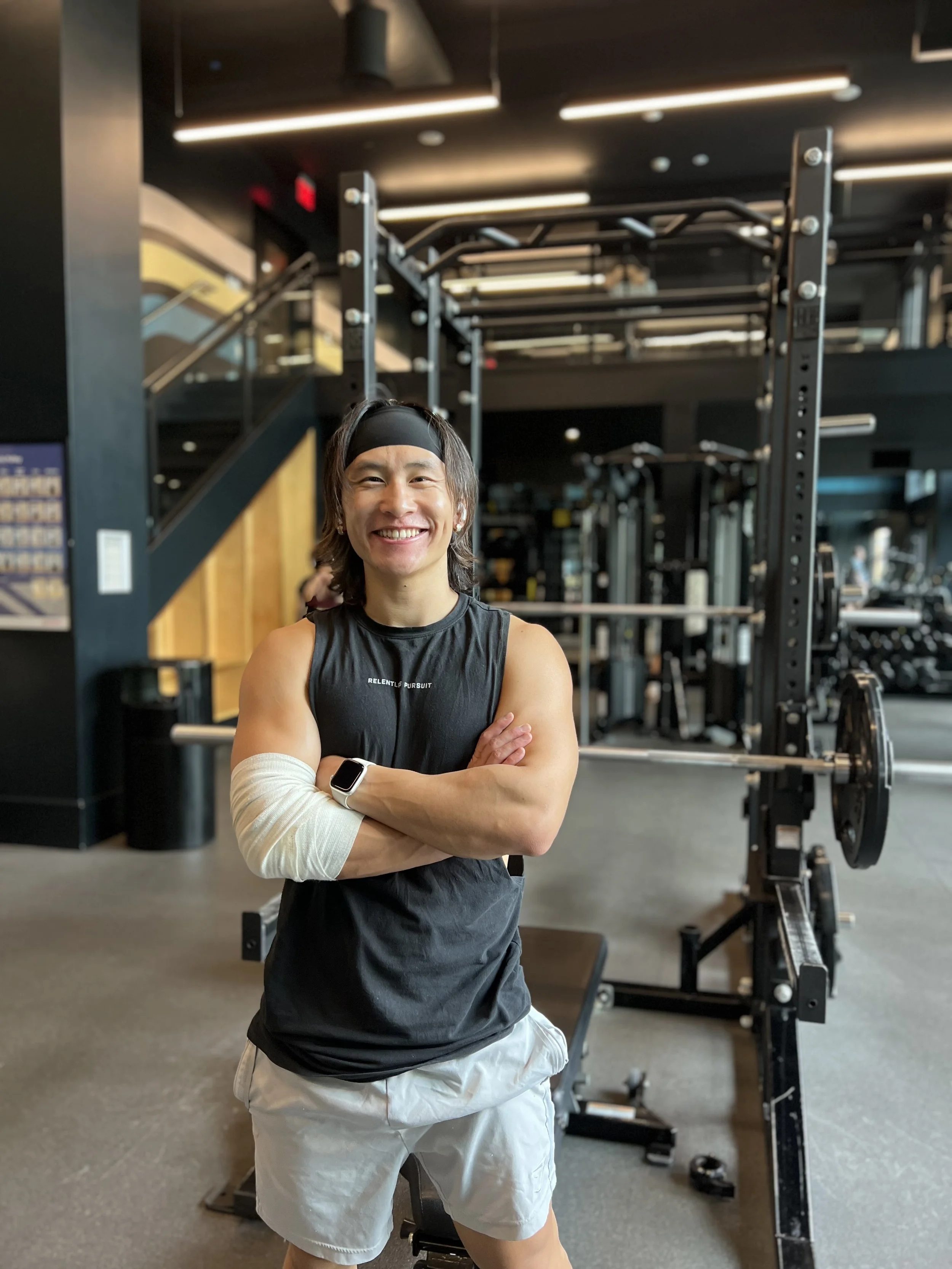
Nutrition Counseling with Loshi Vue, RDN
Eating Well in Austin Is Not Always Easy
Austin is a busy city. Between work, family, social plans, weekend activities, and everything else competing for your time, eating well can quickly fall to the bottom of the list.
Maybe you plan to meal prep on Sunday, but the weekend gets busy. Maybe you love Austin's restaurants, barbecue, and food trucks and have no interest in giving them up just to follow a diet. Or perhaps you are active and exercise regularly, but you are still struggling with your energy, weight, or overall health.
You may have also left a doctor's appointment knowing you need to make changes but unsure where to begin. And if you have tried searching online for answers, you have probably found plenty of conflicting advice about what you should and should not eat.
Nutrition does not have to be that complicated.
Through one-on-one virtual nutrition counseling, you can get practical guidance that takes your health needs and everyday life into account. The goal is not to make your life revolve around food. It is to find an approach that fits into the life you already have.
Let’s take the guesswork out of nutrition.
Our nutrition coaching focuses on small, realistic steps that make a big impact—without extremes, guilt, or all-or-nothing thinking.
Insurances Accepted in Austin, TX
Aetna
Allina Health
Anthem
BlueCross BlueShield (BCBS MN)
MinnesotaCare Medical Assistance (Medicaid)
Medicare
UMR (United Medical Resources)
United HealthCare (UHC)





Why Work With a Registered Dietitian?
Most people have a general idea of what it means to eat healthier. Knowing what to do is often not the hard part. Figuring out what works for your body and staying consistent when life gets busy is where things become more challenging.
A Registered Dietitian Nutritionist provides more than a meal plan or a list of foods to avoid. Your nutrition care is based on your health history, goals, lifestyle, cultural background, and the foods you actually enjoy eating.
Working with an RDN can help you:
Make sense of conflicting nutrition advice. There is no shortage of diet trends and nutrition information online. Your dietitian can help you separate useful, evidence-based guidance from advice that may not apply to you.
Look beyond individual symptoms. Concerns such as blood sugar, digestive problems, cholesterol, or recurring weight changes often need to be viewed as part of a bigger picture.
Build habits you can maintain. Instead of relying on a short-term diet, you will work toward realistic changes that can become part of your normal routine.
Stay accountable without feeling judged. Progress is not always perfect. Regular support gives you a chance to talk through challenges, make adjustments, and keep moving forward.
Focus on more than the number on the scale. Improved energy, better digestion, healthier lab results, increased confidence around food, and sustainable habits are all meaningful signs of progress.
For busy Austin residents, personalized nutrition counseling can provide the structure and support needed to make healthier choices without putting the rest of life on hold.
What Nutrition Coaching Looks Like
Nutrition coaching should not feel like someone handing you a list of rules and expecting you to follow them perfectly.
Your first virtual session is a chance for us to learn more about you. We will talk about your health history, current eating habits, schedule, concerns, and what you would actually like to accomplish. From there, we can begin putting together an approach that makes sense for you.
For one person, that might mean finding easier ways to eat well during a demanding work week. For someone else, it could mean learning how to enjoy Austin's restaurants and social scene without feeling like every meal out sets them back. Sometimes the biggest improvements come from a few manageable changes rather than completely overhauling the way you eat.
Follow-up sessions give us a chance to see what is working and what needs to change. Your schedule, health, and goals may change over time, so your nutrition plan should be able to change with them.
Instead of starting over every time something does not go according to plan, we can make adjustments and keep building on the progress you have already made.
Weight Loss and Body Recomposition
If you are tired of conflicting advice, restrictive diets, or feeling like you have to be perfect to make progress, we can help you take a more sustainable approach.
Depending on your goals and preferences, coaching may be macro-based or focused more heavily on habits and behavior. The goal is sustainable fat loss, muscle maintenance, better energy, and a way of eating you can realistically maintain. There are no gimmicks or extreme restrictions.
Medical Nutrition Therapy (MNT)
Medical Nutrition Therapy uses evidence-based nutrition strategies to help manage chronic health conditions and improve overall health.
Nutrition counseling may help with type 2 diabetes, prediabetes, PCOS, high cholesterol, high blood pressure, fatty liver disease, digestive concerns, and other health conditions.
Whether you have recently received a diagnosis or have been managing a condition for years, your nutrition plan will take your medical needs, food preferences, culture, and daily routine into account.
GLP-1 Nutrition Support
Medications such as Ozempic, Wegovy, Mounjaro, and Zepbound can be useful tools for some people, but good nutrition remains an important part of the process.
Nutrition counseling while taking a GLP-1 medication can help you manage common side effects, get enough protein and fluids, maintain muscle mass, and make sure you are meeting your nutritional needs even when your appetite changes.
Just as importantly, we can work on habits that support your long-term health beyond the medication itself.
Learn More About Our Specialties
Choosing a Nutrition Professional in Austin
There are plenty of wellness coaches, nutritionists, influencers, and other professionals offering nutrition advice in Austin. Before choosing someone to work with, it is worth taking a closer look at their training and approach.
Check their credentials. The terms "dietitian" and "nutritionist" do not always mean the same thing. A Registered Dietitian Nutritionist completes extensive education, supervised training, a national credentialing exam, and continuing professional education. When nutrition advice involves your health or a medical condition, those qualifications are especially important.
Look for experience that matches your needs. Someone looking for general healthy eating guidance may need something very different from a person managing diabetes, PCOS, high cholesterol, or digestive concerns. Look for a provider who regularly works with people facing challenges similar to yours.
Consider cultural fit. Food is closely connected to family, culture, and tradition. Good nutrition counseling should work with those foods and traditions rather than expecting you to abandon them.
Ask about their approach. Some people prefer detailed numbers and structure, while others do better with gradual habit changes and a more flexible framework. Understanding how a dietitian works can help you decide whether the approach feels right for you.
Think about convenience. Between Austin traffic, work schedules, and family responsibilities, adding another in-person appointment to your week may not be practical. Telehealth makes it possible to meet with your dietitian from home, work, or another private location without spending additional time commuting.
Ultimately, finding the right nutrition professional is about more than choosing the person who appears first in a search. Look for someone who listens, understands what you are trying to accomplish, and can help you make changes that work in your everyday life.
Areas of Focus



How Virtual Nutrition Counseling works
We help you develop healthy habits that will last, all from the comfort of your own home via telehealth and covered by insurance.
-
The Registered Dietitian Nutritionist will take time to understand your health history, lifestyle, and goals — then provide a personalized nutrition care plan tailored to your needs.
We accept health insurance.
-
The Registered Dietitian Nutritionist (RDN) will fine-tune your nutrition plan with actionable coaching, personalized recommendations, macronutrients, and goal-based progress tracking to support long-term success.
-
Accountability and guidance between visits. Stay connected with ongoing support through a food tracking app, direct messaging with your registered dietitian, personalized care plans, session summaries, and goal tracking — all in one place.
Our Specialties

Weight Loss & Body Recomposition
-
If you’ve felt overwhelmed by conflicting advice, yo-yo dieting, or the pressure to do it all perfectly, you’re not alone.
Reach your weight and body composition goals in a sustainable, realistic way. Whether you're focused on fat loss, building strength, or improving your relationship with food, we’ll create a personalized plan that honors your culture, preferences, and lifestyle — without gimmicks or extremes.
We accept health insurance.
-
Habit-based or macro-based coaching — you choose your track
Sustainable fat loss while maintaining or building muscle
Structured meal timing, balanced macronutrients, and macro counting
Movement strategies that work with your schedule
Building long-term routines for metabolism and energy
-
People who want to lose weight without fad diets and improve their confidence
Individuals interested in reshaping their body through food and movement
Anyone tired of starting over and looking for consistency
Clients who want an evidence-based, supportive coaching experience
People looking for accountability

Medical Nutrition Therapy (MNT)
-
Medical Nutrition Therapy (MNT) involves evidence-based nutrition care for managing and improving chronic health conditions.
Whether you’re newly diagnosed or looking to avoid medications, we’ll build a plan rooted in your culture, preferences, and real-life routines.
We accept health insurance.
-
Type 2 diabetes and prediabetes
Insulin resistance and metabolic syndrome
Polycystic Ovary Syndrome (PCOS)
Hypothyroidism and Hashimoto’s thyroiditis
High cholesterol (hyperlipidemia)
High blood pressure (hypertension)
Cardiovascular disease and heart health
Non-alcoholic fatty liver disease (NAFLD)
Irritable Bowel Syndrome (IBS)
Gastroesophageal reflux disease (GERD)
Gout and elevated uric acid
Osteoarthritis and joint inflammation
Digestive concerns (bloating, constipation, sensitivity)
General inflammation and autoimmune conditions
Cancers of the digestive tract (esophageal cancer, stomach cancer, bowel cancer), head and neck cancer, lung cancer, breast cancer, prostate cancer, and more!
-
Reduce blood sugar, cholesterol, or blood pressure
Improve digestion, energy, and quality of life
Delay or prevent the need for medication
Learn how to make food choices that support your condition — without giving up your favorite meals
Understand labs and what they mean for your daily choices

GLP-1 Nutrition Support
-
If you’re using medications like Ozempic, Wegovy, Mounjaro, or Zepbound, nutrition still matters. I’ll help you manage side effects, preserve muscle mass, and build eating habits that support long-term health — so you’re not just relying on the shot.
NOTE: We do NOT prescribe the medications.
We accept health insurance.
-
Managing side effects (nausea, constipation, low appetite)
Preventing rapid or unhealthy weight loss
Meeting protein and hydration needs
Creating meals that feel good and fuel your body
Nutrition support during dose changes or plateaus
Transition planning if you ever stop medication
-
“If I’m on a GLP-1, I don’t need to think about food anymore.”
False. Nutrition still plays a huge role in preserving muscle, preventing malnutrition, and feeling your best.“If I’m on a GLP-1, I don’t need to think about food anymore.”
False. Nutrition still plays a huge role in preserving muscle, preventing malnutrition, and feeling your best.“All I need is fewer calories.”
Not true. Quality matters — especially protein, fiber, and hydration.“I’ll just eat less of whatever I want.”
That can work short-term, but long-term success comes from what you eat, how you eat, and how consistent your habits are.
Not true. Quality matters — especially protein, fiber, and hydration.“I’ll just eat less of whatever I want.”
That can work short-term, but long-term success comes from what you eat, how you eat, and how consistent your habits are.
"Loshi’s culturally aware approach showed me how I can keep enjoying my favorite cultural foods while improving my blood sugar and A1c."
— Richard V. (Type 2 Diabetes Client)
“Loshi was attentive to my questions and very professional. I wasn't so hard on myself if I felt that I didn't follow through on a meal. I really appreciated the moral support. Loshi’s explanation of food and menus was very doable and positive.”
— Nou T. (Weight Loss Client)
“Loshi helped me build healthy habits that actually stick. I’ve lost weight, feel more energized, and finally enjoy food again.”
— May Y. (Weight Loss Client)
Nutrition Coaching FAQ
-
Online nutrition advice is usually created for a broad audience. It does not take your medical history, lab results, medications, food preferences, schedule, or personal goals into account.
Working with a Registered Dietitian gives you an opportunity to receive recommendations based on your individual needs rather than trying to determine which pieces of general advice apply to you.
-
Many insurance plans provide coverage for nutrition counseling or Medical Nutrition Therapy, although coverage depends on your individual plan and the reason for your visit.
Benefits can be verified before your first appointment so you have a better idea of what your plan covers.
-
Yes. Appointments are offered through secure, HIPAA-compliant telehealth, so you can meet with your dietitian from anywhere in Austin without having to drive to an office.
Telehealth can be especially convenient if you have a demanding work schedule, family responsibilities, or simply prefer meeting from home.
-
Not necessarily. The terms are sometimes used interchangeably, but the qualifications behind them can be very different.
A Registered Dietitian Nutritionist has completed required education and supervised practice, passed a national credentialing examination, and must maintain continuing education requirements. This training prepares RDNs to provide evidence-based nutrition care, including Medical Nutrition Therapy when appropriate.
-
Nutrition counseling can support people dealing with diabetes, prediabetes, high cholesterol, high blood pressure, PCOS, digestive concerns, weight management, and other nutrition-related health issues.
If you are managing more than one condition, your nutrition plan can take those concerns into account together rather than treating each one separately.
-
Not necessarily. For many people, a rigid meal plan is difficult to maintain long term.
Instead, counseling can focus on flexible meal frameworks, portions, food choices, recipes, and habits that fit your goals and preferences. The idea is to help you become more confident making everyday food decisions without feeling like you have to follow a perfect plan.